
*I get commissions for purchases made through affiliate links in this post at no extra cost to you. I do not promote anything I haven’t validated or personally used myself.
Small space gardening is a great way to enjoy the benefits of gardening without needing a large outdoor space. Whether you live in an apartment, have a small balcony, or just want to maximize your backyard, small space gardening can be a fun and rewarding experience. With a little bit of planning and the right tools, you can create a beautiful and productive garden in even the smallest of spaces.
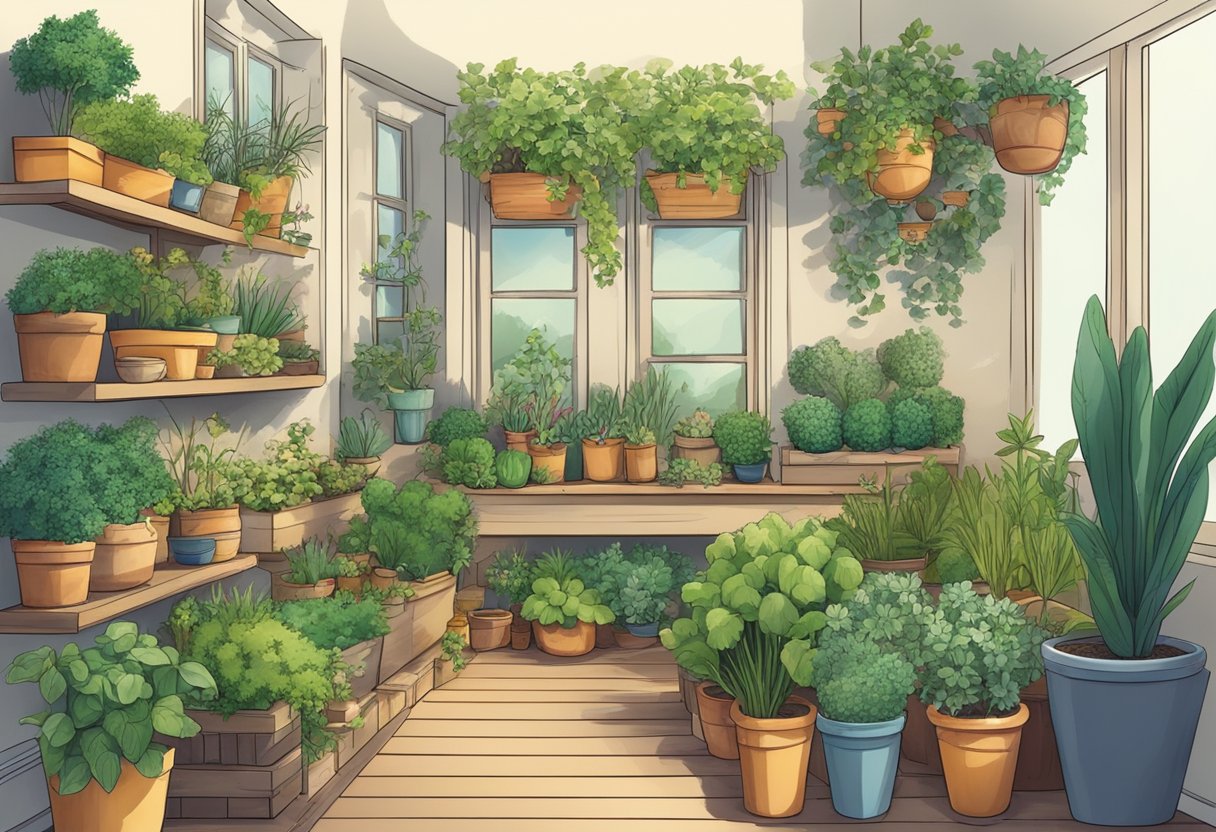
Understanding small space gardening is the first step to getting started. Small space gardening is all about making the most of the space you have available. This means choosing the right location, selecting the right containers, and choosing plants that are well-suited to small spaces. Starting from seeds can also be a great way to save money and get a head start on your garden. With a little bit of patience and effort, you can create a beautiful and productive garden that will provide you with fresh produce all season long.
Key Takeaways
- Small space gardening is a great way to enjoy the benefits of gardening without needing a large outdoor space.
- Understanding small space gardening is the first step to getting started.
- With a little bit of planning and the right tools, you can create a beautiful and productive garden in even the smallest of spaces.
Understanding Small Space Gardening for Beginners
As someone who has been practicing small space gardening for a while, I can confidently say that it is a wonderful way to grow your own plants, even if you have limited space. Small space gardening is all about making the most of the space you have, whether it’s a balcony, a windowsill, or a small backyard. In this section, I will share some of my knowledge and experience to help you understand the basics of small space gardening.
Benefits of Small Space Gardening
One of the biggest benefits of small space gardening is that it allows you to grow your own plants even if you don’t have a lot of space. It’s a great way to connect with nature and enjoy the benefits of gardening without having to invest in a large plot of land. Additionally, small space gardening is often more manageable and less time-consuming than traditional gardening, making it a great option for beginners.
Planning Your Small-Space Garden
Before you start planting, it’s important to plan your small-space garden carefully. Consider the amount of space you have available, the amount of sunlight your plants will receive, and the type of plants you want to grow. You may also want to consider using vertical space, such as trellises or hanging baskets, to make the most of your limited space.
Choosing Plants for Small-Space Gardens
When choosing plants for your small-space garden, it’s important to select plants that are well-suited to your space and growing conditions. Some plants that are well-suited to small spaces include herbs, salad greens, and cherry tomatoes. You may also want to consider using dwarf varieties of larger plants, such as dwarf fruit trees or compact shrubs.
Caring for Your Small-Space Garden
Caring for a small-space garden is often simpler than caring for a larger garden, but it still requires some attention and care. Make sure to water your plants regularly, and fertilize them as needed. You may also need to prune your plants to keep them from becoming too large or unruly. Finally, be sure to monitor your plants for pests and diseases, and take action as needed to keep them healthy.
In conclusion, small space gardening is a wonderful way to grow your own plants, even if you have limited space. By carefully planning your garden, choosing the right plants, and providing them with the care they need, you can enjoy the benefits of gardening no matter how small your space may be.
Related Posts:
- Unlocking the Mystery: Understanding Partial and Full Sun/Shade
- Best Soil for Your Garden: Top Picks for a Thriving Garden
Choosing the Right Location
When it comes to small space gardening, choosing the right location is key. Here are some things to consider:
Sunlight Requirements
Most plants require full sun to grow and thrive. This means they need at least six hours of direct sunlight per day. When choosing a location for your garden, consider how much sunlight the area gets throughout the day. If your space is shaded for most of the day, you may need to choose plants that can tolerate partial shade.
Choosing the Right Deck or Patio
If you’re gardening in a small space, you may need to get creative with your location. Decks and patios can be great spots for container gardens. When choosing a deck or patio, consider the following:
-
Size: Make sure the space is large enough to accommodate your containers, and leave room for you to move around.
-
Drainage: Make sure the area has proper drainage, or you may end up with waterlogged plants.
-
Accessibility: Consider how easy it will be to water and tend to your plants. If the area is difficult to access, you may be less likely to take care of your garden.
Overall, choosing the right location is crucial for the success of your small space garden. Keep in mind the sunlight requirements of your plants and choose a deck or patio that is the right size, has proper drainage, and is easily accessible.
Types of Small Space Gardening
When it comes to small space gardening, there are several options to choose from. Here are some of the most popular types of small space gardening:
Container Gardening
Container gardening is a great option for small spaces. With container gardening, you can grow plants in pots, hanging baskets, or other containers. This type of gardening is perfect for those who don’t have a lot of outdoor space or who want to grow plants indoors.
When choosing containers for your plants, make sure they have drainage holes to prevent water from accumulating and damaging the roots. You can use a variety of containers, including plastic, ceramic, or terracotta pots. Be sure to choose a container that is the right size for your plant.
What Kind of Garden Containers are Best Suited for Your Small Space Gardening Plan?
Raised Bed Gardening
Raised bed gardening is another popular option for small space gardening. With raised bed gardening, you can create a garden bed that is elevated off the ground. This type of gardening is perfect for those who have poor soil quality or who want to grow plants in a specific area of their yard.
When building a raised bed garden, make sure to choose a location that gets plenty of sunlight. You can use a variety of materials to build your raised bed, including wood, stone, or brick. Be sure to choose a material that is durable and will last for many years.
Get Inspired With These Best Selling Raised Beds!
Vertical Gardening
Vertical gardening is a great option for those who don’t have a lot of space to work with. With vertical gardening, you can grow plants on a trellis, wall, or other vertical surface. This type of gardening is perfect for those who want to add some greenery to their home or apartment.
When choosing plants for vertical gardening, make sure to choose plants that are suited for this type of gardening. Some popular plants for vertical gardening include tomatoes, cucumbers, and beans.
Check Out These Vertical Gardening Options to Inspire Some Ideas!
Square-Foot Gardening
Square-foot gardening is a type of gardening that involves planting in 1-foot squares. This type of gardening is perfect for those who want to maximize their growing space and grow a variety of plants in a small area.
When starting a square-foot garden, make sure to choose a location that gets plenty of sunlight. You can use a variety of materials to create your garden bed, including wood, stone, or brick. Be sure to choose a material that is durable and will last for many years.
In conclusion, there are several types of small space gardening to choose from. Whether you choose container gardening, raised bed gardening, vertical gardening, or square-foot gardening, you can enjoy the benefits of growing your own plants even if you have limited space.
Selecting the Right Containers
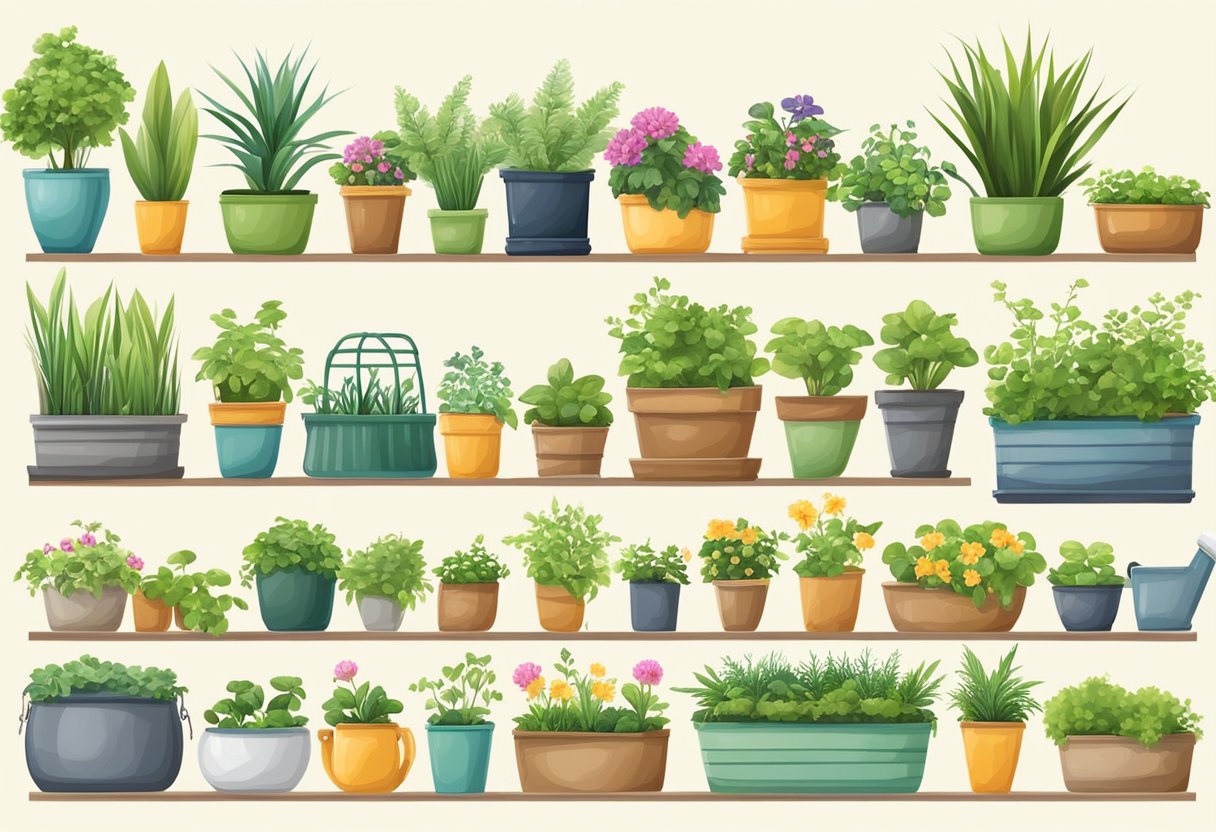
As a beginner in small space gardening, selecting the right container is crucial for the success of your garden. There are a variety of containers to choose from, including pots, raised garden beds, hanging baskets, and more. Here are some tips to help you select the right container for your small space garden:
Consider the Size
The size of the container will depend on the size of the plant you want to grow. Smaller containers, about 4-6 inches deep, can be used to grow vegetables like lettuce, spinach, and herbs. Larger containers, about 12-18 inches deep, can be used to grow larger vegetables like tomatoes, peppers, and eggplants. Make sure to select a container that is the appropriate size for the plant you want to grow.
Choose the Right Material
Containers are made of different materials, including plastic, glazed ceramic, and dark glass. Porous containers, like terra cotta, allow for better drainage but can dry out quickly. Nonporous containers, like plastic, glazed ceramic, and dark glass, hold water better but can retain too much moisture. Consider the needs of your plants when selecting the material of your container.
Check for Drainage
Good drainage is essential for the health of your plants. Make sure your container has drainage holes at the bottom. If it doesn’t, drill some holes yourself. You can also add a layer of rocks or gravel at the bottom of your container to help with drainage.
Consider Mobility
If you plan on moving your containers around, consider selecting containers with wheels or handles. This will make it easier for you to move your plants around to get the right amount of sunlight.
Think Outside the Box
Don’t limit yourself to traditional containers. You can use almost anything as a container, as long as it has good drainage. Consider using items like old buckets, baskets, or even shoes as unique containers for your small space garden.
By following these tips, you can select the right container for your small space garden and set yourself up for success.
Choosing Plants for Small Space Garden
When it comes to small space gardening, choosing the right plants can make all the difference. Here are some tips on what to consider when selecting plants for your small space garden.
Vegetables
When it comes to vegetables, choose plants that are compact and don’t take up too much space. Some great options for small space gardens include lettuce, radishes, peppers, cabbage, beets, broccoli, peas, onions, and zucchini. These vegetables can be grown in containers or raised beds, making them perfect for small spaces.
To maximize your space, consider using vertical gardening techniques such as trellising or using a pole bean teepee. This will allow you to grow more vegetables in a smaller area.
Herbs
Herbs are a great addition to any small space garden. They are easy to grow and can be used in a variety of dishes. Some popular herbs to consider growing in your small space garden include basil, thyme, rosemary, and parsley.
Herbs can be grown in containers or in the ground. If you choose to grow them in containers, make sure they have good drainage and are placed in a sunny location.
Fruits
Fruits can also be grown in small space gardens. Some great options include strawberries, blueberries, and watermelons. These fruits can be grown in containers or raised beds.
When selecting fruit plants for your small space garden, make sure to choose varieties that are compact and don’t take up too much space. Additionally, make sure they are suited to your climate and soil conditions.
In conclusion, when choosing plants for your small space garden, it’s important to consider the size of the plant, its growing requirements, and its suitability to your climate and soil conditions. By selecting the right plants, you can create a beautiful and productive garden in even the smallest of spaces.
Related Posts:
- Indoor Herb Gardens For Beginners – The Definitive Guide to Picking the Best Herbs and Creating an Herb Oasis
- Small Garden Fruit Guide: What Fruits Can You Grow in a Small Garden to Kill It in Your Gardening Game?
- 10 Best Vegetables for a Small Garden
- Raise Your Glass: Discover the Best Plants to Grow in a Cocktail Garden for Tantalizing Drinks
Starting from Seeds
As a beginner gardener, starting from seeds is a great way to get started with small space gardening. It is also a cost-effective way to grow plants and gives you the satisfaction of seeing your plants grow from the very beginning. Here are some tips to get started with starting plants from seeds.
Seed Selection
When selecting seeds, it is important to choose seeds that are appropriate for the space you have available. Some plants require more space and sunlight than others. It’s best to start with plants that are easy to grow and don’t require a lot of maintenance. Some easy-to-grow plants include lettuce, radishes, and herbs like basil and parsley.
When selecting seeds, make sure to check the expiration date. Old seeds may not germinate, so it’s best to use fresh seeds. You can also check the seed packet for information on how to grow the plant, including how deep to plant the seed and how much sunlight and water it needs.
Planting Seeds
Before planting seeds, make sure to read the instructions on the seed packet. Some seeds need to be soaked or scarified before planting, while others can be planted directly into the soil.
When planting seeds, make sure to use a good quality potting soil. Fill a small container with soil and make a small hole in the center. Place the seed in the hole and cover it with soil. Water the soil lightly and cover the container with plastic wrap or a plastic bag to keep the soil moist.
Nurturing Seedlings
Once the seed has germinated and the seedling has emerged, remove the plastic wrap or bag and place the container in a sunny spot. Make sure to keep the soil moist, but not too wet. Overwatering can cause the seedling to rot.
As the seedling grows, it may need to be transplanted into a larger container or into the ground. Make sure to follow the instructions on the seed packet for when to transplant the seedling.
Starting from seeds is a great way to get started with small space gardening. With a little bit of patience and care, you can grow your own plants right from the beginning.
See Some of My Top Choices of Seeds to Get You Started No Matter What Kind of Garden You Want to Get Started With!
Gardening Techniques
As a beginner in small space gardening, it is important to learn some basic techniques that can help you maximize your space and yield a bountiful harvest. In this section, I will discuss three popular techniques: succession planting, companion planting, and interplanting.
Succession Planting
Succession planting involves planting crops at different times to ensure continuous harvest throughout the growing season. This technique is especially useful for small space gardening, where space is limited, and it is essential to maximize productivity. To implement this technique, you need to plan your planting schedule carefully and choose crops with different maturity rates. For example, you can plant fast-growing crops like lettuce and radishes early in the season, followed by slower-growing crops like tomatoes and peppers.
Succession planting requires good record-keeping and careful planning. You should keep track of the planting dates, expected maturity dates, and the space required for each crop. You can use a planting calendar or a spreadsheet to help you plan and track your planting schedule.
Companion Planting
Companion planting involves planting different crops together to enhance their growth and productivity. This technique is based on the principle that certain plants can benefit from each other by repelling pests, attracting beneficial insects, and improving soil fertility. For example, planting marigolds with tomatoes can help repel nematodes, while planting beans with corn can help fix nitrogen in the soil.
Companion planting requires careful planning and knowledge of plant compatibility. You should choose companion plants that have complementary growth habits, pest resistance, and nutrient requirements. You can use a companion planting chart or a gardening book to help you choose the right companion plants for your small space garden.
Interplanting
Interplanting involves planting different crops in the same space to maximize productivity and space utilization. This technique is especially useful for small space gardening, where every inch of space counts. To implement this technique, you need to choose crops with different growth habits, nutrient requirements, and maturity rates. For example, you can plant lettuce and spinach under the shade of taller plants like tomatoes and peppers.
Interplanting requires good planning and knowledge of plant compatibility and growth habits. You should choose crops that have complementary nutrient requirements and growth habits. You can use a planting chart or a gardening book to help you plan and implement interplanting in your small space garden.
In conclusion, learning and implementing these gardening techniques can help you maximize your small space garden’s productivity and yield a bountiful harvest. Succession planting, companion planting, and interplanting are simple yet effective techniques that can help you make the most of your limited space.
Care and Maintenance
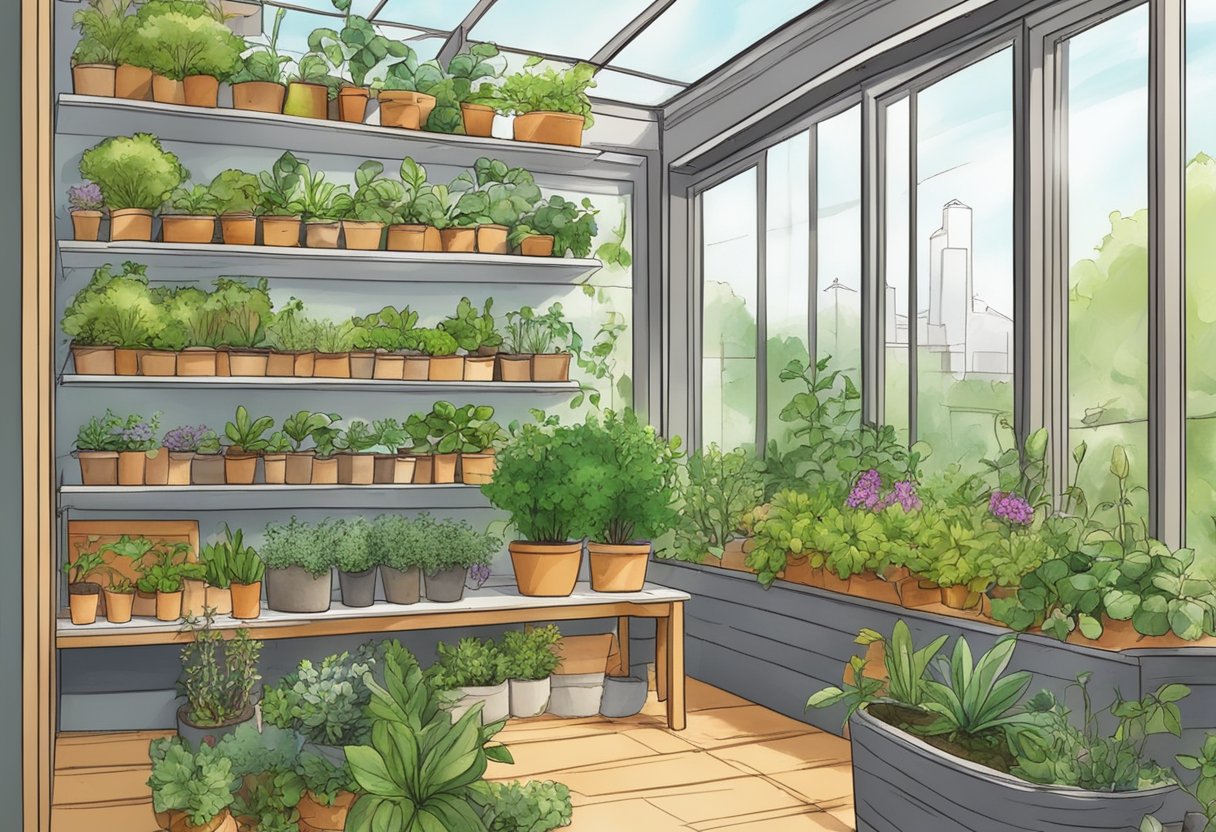
Taking care of your small space garden is crucial to ensure that your plants thrive and produce a bountiful harvest. In this section, I will cover the essential care and maintenance tasks that every beginner gardener should know.
Watering
Watering your plants is one of the most important tasks in maintaining a small space garden. It is crucial to keep the soil consistently moist, but not waterlogged. Overwatering can lead to root rot, while underwatering can cause your plants to wilt and die.
To determine if your plants need watering, stick your finger about an inch into the soil. If it feels dry, it’s time to water. The frequency of watering will depend on the type of plant, the size of the container, and the weather conditions. As a general rule of thumb, most plants need to be watered every two to three days.
Weeding
Keeping your garden free of weeds is essential for the health and growth of your plants. Weeds compete with your plants for nutrients, water, and sunlight, and can harbor pests and diseases.
To prevent weeds from taking over your garden, it’s essential to pull them out by hand or use a hoe to remove them from the soil. Be sure to remove the entire plant, including the roots, to prevent them from regrowing.
Fertilizing
Fertilizing your plants is necessary to provide them with the nutrients they need to grow and produce a bountiful harvest. Most container plants need to be fertilized every two to three weeks during the growing season.
There are many types of fertilizers available, including organic and synthetic options. Be sure to follow the manufacturer’s instructions carefully when applying fertilizer to avoid overfertilizing, which can harm your plants.
In summary, caring for and maintaining a small space garden requires regular watering, weeding, and fertilizing. By following these essential tasks, you can ensure that your plants thrive and produce a bountiful harvest.
Soil and Compost
As a beginner in small space gardening, it is important to understand the importance of soil and compost. The quality of your soil will determine the health and growth of your plants. Compost, on the other hand, is a natural fertilizer that can help improve the quality of your soil.
Understanding Soil Needs
Before planting anything, it is important to understand the soil needs of your plants. Soil provides plants with nutrients, water, and oxygen. It can be broken down into three main components: sand, silt, and clay. The ideal soil for most plants is a mixture of all three components.
In addition to the three components, soil also needs organic matter. Organic matter provides nutrients to the soil and helps retain moisture. Adding compost to your soil can help increase the organic matter content.
Making and Using Compost
Compost is made up of organic matter such as food scraps, grass clippings, and leaves. It is a natural fertilizer that can help improve the quality of your soil. Making compost is easy and can be done in a small space.
To make compost, start by collecting organic matter in a compost bin. Add a mixture of brown and green materials, such as dead leaves and food scraps. Keep the compost moist and turn it regularly to help speed up the composting process.
Once your compost is ready, use it to improve the quality of your soil. Mix it into the soil before planting or use it as a top dressing around your plants.
In conclusion, understanding the soil needs of your plants and making and using compost can help improve the health and growth of your plants in small space gardening. By providing your plants with the necessary nutrients and organic matter, you can create a thriving garden.
Dealing with Pests
As a beginner in small space gardening, dealing with pests can be a daunting task. But don’t worry, with a little knowledge and effort, you can prevent and control pests in your garden.
Prevention is Key
The best way to deal with pests is to prevent them from getting to your plants in the first place. Here are a few tips to help you prevent pests:
- Build a barrier: Use barriers to keep pests out. Ground-crawling insects are the easiest to keep out. You can use physical barriers like netting, fences, or row covers to keep them away.
- Focus on plant health: A stressed plant is more vulnerable to disease and pest pressure. So, focus on your soil health, plant at the right time, and give your plants the right amount of water. Healthy plants have a better chance of fighting off pests.
- Rotate your crops: Crop rotation can help prevent pests by disrupting their life cycle. Pests that feed on one type of plant may not be able to survive if you plant a different crop in that spot the following season.
Identifying and Controlling Pests
Despite your best efforts, pests may still find their way into your garden. Here are some common pests and how to control them:
| Pest | Control |
|---|---|
| Aphids | Use insecticidal soap or neem oil. |
| Slugs and snails | Use copper tape, diatomaceous earth, or beer traps. |
| Caterpillars | Handpick or use Bacillus thuringiensis (Bt) spray. |
| Spider mites | Use a strong spray of water or insecticidal soap. |
| Whiteflies | Use yellow sticky traps or insecticidal soap. |
It’s important to identify the pest before choosing a control method. Some pests, like ladybugs and praying mantises, are beneficial to your garden and should be left alone.
In conclusion, preventing and controlling pests in your small space garden is a necessary task for any beginner gardener. By following these tips and identifying pests early, you can keep your plants healthy and thriving.
Related Posts:
- Best Soil for Your Garden: Top Picks for a Thriving Garden
- Best Fertilizers for Your Garden: A Comprehensive Guide
- Unlocking the Mystery: Understanding Partial and Full Sun/Shade
Maximizing Productivity
When it comes to small space gardening, maximizing productivity is key. After all, you want to make the most of your limited space and get the most out of your efforts. Here are some tips to help you do just that:
Garden Layout
The layout of your garden can have a big impact on its productivity. One approach is to use vertical space to your advantage. Consider using trellises or other supports to grow vining crops like beans, peas, and cucumbers. This can help you make the most of your space and increase your yield.
Another option is to use a garden planner to help you design an efficient layout. This can help you avoid wasting space and ensure that you’re planting the right veggies and greens in the right areas.
Choosing the Right Veggies and Greens
Speaking of veggies and greens, it’s important to choose the right ones if you want to maximize productivity. Some options to consider include:
-
Kale: This leafy green is packed with nutrients and can be grown in small spaces. It’s also relatively easy to care for, making it a great choice for beginners.
-
Eggplant: This versatile veggie can be used in a variety of dishes and is also easy to grow in small spaces.
-
Greens: Lettuce, spinach, and other greens can be grown in containers or small raised beds and can provide a lot of yield for their size.
Other Tips
Here are a few additional tips to help you maximize productivity in your small space garden:
-
Use companion planting to help your plants thrive. For example, planting basil near your tomatoes can help repel pests and improve flavor.
-
Consider using raised beds or containers to help you make the most of your space and ensure that your soil is well-draining and nutrient-rich.
-
Don’t forget to water and fertilize regularly to ensure that your plants are healthy and productive.
By following these tips, you can maximize productivity in your small space garden and enjoy a bountiful harvest.
Frequently Asked Questions
What are some creative small space gardening ideas?
If you have limited space, it’s important to get creative with your gardening ideas. One idea is to use vertical space by hanging planters or installing shelves. Another idea is to use containers of different sizes and shapes to add visual interest to your garden. You can also consider using a trellis to grow climbing plants like tomatoes or cucumbers.
How can I design a small space garden?
When designing a small space garden, it’s important to consider the layout and the plants you want to grow. You can use raised beds or containers to make the most of your space. Consider using a mix of plants with different heights and textures to add visual interest. You can also use color to create a cohesive design.
What are some vegetables that are easy to grow in small spaces?
Many vegetables are well-suited for small space gardening. Some easy-to-grow options include lettuce, spinach, radishes, and green onions. You can also grow tomatoes, peppers, and cucumbers in containers or on a trellis.
What are some tips for growing plants in small spaces?
To make the most of your small space garden, it’s important to choose the right plants and containers. Make sure your containers have good drainage and are the right size for your plants. Consider using a high-quality potting mix and fertilizing regularly. It’s also important to water your plants regularly and provide them with enough sunlight.
How do I start a small space garden?
To start a small space garden, you’ll need to choose the right location and containers. Make sure your containers have good drainage and are the right size for your plants. Choose plants that are well-suited for your growing conditions and make sure to water and fertilize regularly.
What are some recommended resources for small space gardening?
There are many resources available for small space gardening for beginners. Some popular options include books like “The Vegetable Gardener’s Container Bible” by Edward C. Smith and online resources like the National Gardening Association’s website. You can also consider joining a local gardening club or taking a gardening class to learn more.