
*I get commissions for purchases made through affiliate links in this post at no extra cost to you. I do not promote anything I haven’t validated or personally used myself.
Green algae on your soil surface isn’t just unattractive—it can create a slippery layer that harms plant health by competing for nutrients and limiting airflow. This issue often arises in consistently damp soil exposed to bright, humid conditions, such as in greenhouses or overwatered garden beds. Knowing how to get rid of algae in soil is key to restoring balance and protecting your plants.
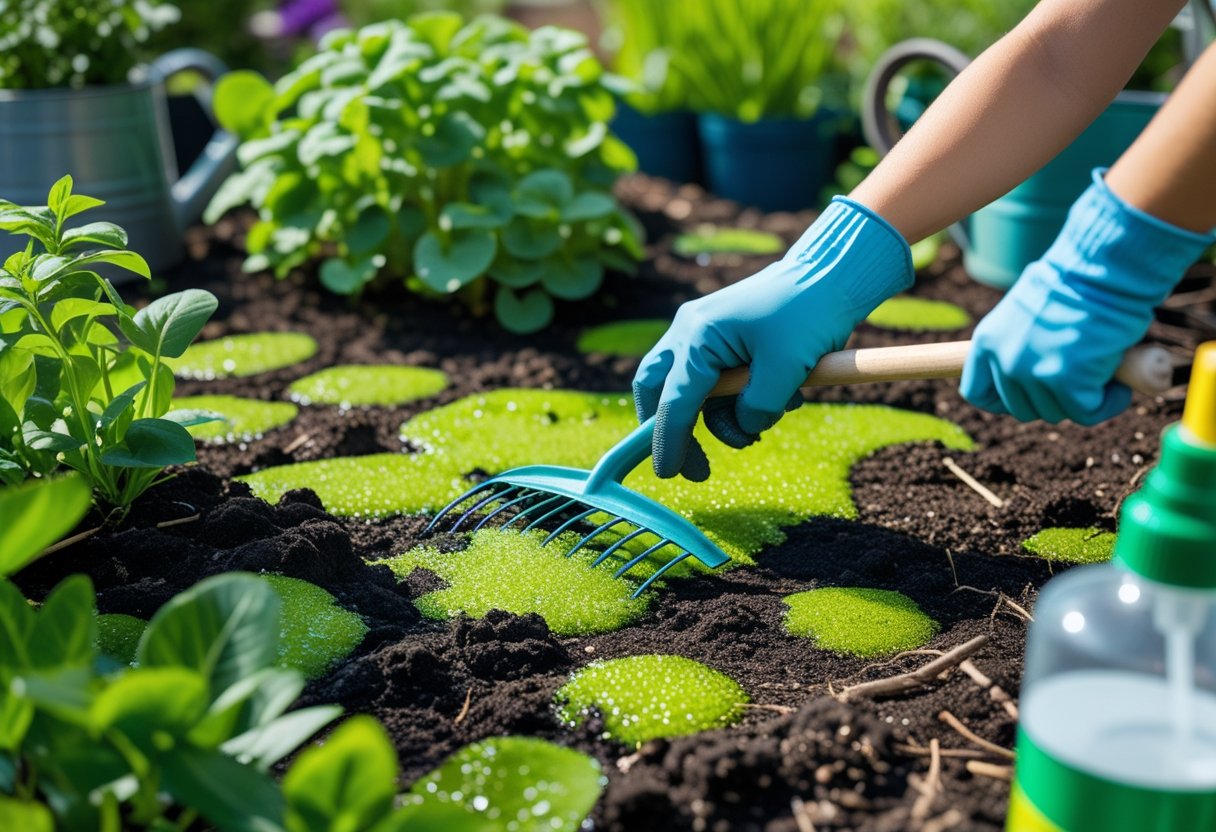
You can eliminate algae from soil through a combination of improved drainage, reduced watering frequency, manual removal of the algae layer, and applying organic treatments like beneficial bacteria or natural fungicides. Addressing moisture levels and drainage issues forms the foundation of any successful algae removal strategy.
Understanding what triggers algae growth, recognizing early warning signs, and implementing targeted removal techniques will help you restore your soil’s health and prevent future outbreaks. The following methods range from simple manual removal to organic prevention strategies that protect your garden long-term.
What Is Algae in Soil?
Algae in soil appears as a green, slimy layer that develops when moisture and light conditions create an ideal environment for these simple organisms. Understanding the specific types and how they differ from other microorganisms helps with proper identification and treatment.
Types of Algae Commonly Found in Soil
Green algae represents the most prevalent type you will encounter on soil surfaces. This algae creates a green, slippery layer on the surface of soil that commonly appears in potted plants and greenhouse environments.
Blue-green algae, technically cyanobacteria, forms darker patches with a bluish tint. These organisms can fix nitrogen from the atmosphere, making them particularly persistent in garden soils.
Filamentous algae creates thread-like structures that form mats across soil surfaces. You might notice this type creating a web-like appearance over wet areas.
| Algae Type | Appearance | Common Locations |
|---|---|---|
| Green algae | Bright green, slimy layer | Potted plants, greenhouses |
| Blue-green algae | Dark patches with blue tint | Garden beds, outdoor soil |
| Filamentous algae | Thread-like mats | Consistently moist areas |
Differences Between Algae, Mold, and Fungi
Algae requires light for photosynthesis and appears green due to chlorophyll content. It develops directly on soil surfaces where sunlight can reach.
Mold typically appears white, gray, or black and grows in fuzzy patches. Unlike algae, mold thrives in dark, humid conditions and feeds on organic matter.
Fungi includes mushrooms and other structures that emerge from soil. These organisms decompose organic material and often appear as distinct fruiting bodies rather than surface films.
Algae feels slippery when wet, while mold has a cottony texture. Fungi creates firm, structured growths that you can easily distinguish from the flat layers that algae forms.
The key identifier for algae remains its green coloration and requirement for both moisture and light to survive.
Related Posts:
- Gardening Must Haves: Essential Tools for Every Gardener
- How to Harden Muddy Soil: Effective Methods for Creating Stable Ground
- Killer Front Yard Landscape Layout Ideas: Enhancing Curb Appeal with Ease
- Best Perennials for North Carolina: Top Choices for Your Garden
Common Signs and Identification of Algae Growth
Identifying algae in soil requires recognizing specific visual patterns and understanding how environmental conditions create ideal growth habitats. Green algae typically appears as a slippery surface layer that develops under high humidity conditions.
Recognizing Green Algae on Soil Surfaces
Green algae appears as a distinctive emerald coating that spreads across your soil surface. This growth creates a thin, continuous film that can cover large areas within days under favorable conditions.
You will notice the algae forms in patches or sheets rather than individual spots. The color ranges from bright lime green to darker forest green depending on the species and maturity.
The growth typically starts in shaded areas where moisture accumulates. It spreads outward from these initial points, creating increasingly larger affected zones.
Location patterns help with identification:
- Northern sides of containers or garden beds
- Areas under overhanging plants or structures
- Low-lying spots where water collects
- Greenhouse environments with poor air circulation
Key Visual and Textural Indicators
The texture of algae-covered soil provides unmistakable identification clues. When you touch the surface, it feels slippery and somewhat gelatinous compared to normal soil.
Visual characteristics include:
- Glossy or wet appearance even when soil underneath is relatively dry
- Smooth, continuous surface that looks almost plastic-like
- Tendency to crack into puzzle-piece patterns as it dries
- Slight translucent quality in thinner areas
The algae creates a film-like barrier over your soil surface. This barrier often appears to shimmer slightly in sunlight due to its moisture content and smooth texture.
You may observe color variations throughout the day. The algae often appears more vibrant green in morning light and may look darker or duller during peak afternoon sun.
Impact on Germination and Plant Health
Algae blocks sunlight and reduces oxygen levels in the soil surface, creating significant barriers for seed germination. Seeds struggle to penetrate the slippery layer and may rot before sprouting.
Germination problems you will observe:
- Seeds that fail to emerge despite proper planting depth
- Delayed sprouting times compared to algae-free areas
- Weak, spindly seedlings that emerge pale or yellowed
- Higher rates of damping-off disease in affected seedlings
The algae layer prevents proper air exchange between soil and atmosphere. Your existing plants may show signs of stress including yellowing lower leaves and reduced vigor.
Plant health indicators include:
- Stunted growth in affected areas
- Increased susceptibility to fungal diseases
- Poor root development near the surface
- Reduced water infiltration during irrigation
Algae can hinder plant growth by competing for nutrients and creating anaerobic conditions. Your garden soil turning green signals an immediate need for intervention to protect plant health.
Causes of Algae Growth in Soil
Excess moisture from overwatering creates the primary conditions for algae development. Poor drainage and compacted soil structure trap water at the surface, while high organic matter levels provide nutrients that fuel rapid algae growth.
Excess Moisture and Overwatering
Overwatering creates the most favorable environment for algae to establish and multiply in your soil. When you water too frequently or apply too much water at once, the soil surface remains consistently wet for extended periods.
Algae thrives in moist environments and requires constant moisture to photosynthesize and reproduce. Your watering practices directly influence moisture levels at the soil surface where algae typically forms.
Common overwatering indicators include:
- Soil that stays wet for more than 24-48 hours after watering
- Water pooling on the soil surface
- A constantly damp or soggy feeling when you touch the soil
Container plants face higher risks because excess water cannot drain away naturally. Indoor plants and greenhouse environments amplify this problem due to reduced air circulation and evaporation rates.
The frequency of watering matters more than the amount in single applications. Daily light watering keeps the surface consistently moist, creating ideal conditions for algae growth compared to deeper, less frequent watering sessions.
Poor Soil Drainage and Structure
Soil compaction and poor drainage prevent water from penetrating below the surface layer. When water cannot move through the soil profile effectively, it accumulates at the top where algae can access it.
Compacted soil develops from foot traffic, heavy equipment, or natural settling over time. Clay soils naturally drain slowly and retain moisture longer than sandy or loamy soils.
Drainage problems manifest as:
- Water standing on the surface after rain or watering
- Slow water infiltration during irrigation
- Hard, crusty soil surface when dry
- Poor root development in affected areas
Your soil structure determines how quickly water moves through different layers. Dense, poorly structured soil creates anaerobic conditions that favor algae over beneficial soil microorganisms.
Slopes and grading also affect drainage patterns. Low-lying areas collect runoff water, creating persistently wet conditions that encourage algae formation.
High Nutrient and Organic Matter Levels
Excessive fertilization provides nutrients that algae uses for rapid growth and reproduction. Nitrogen and phosphorus levels directly correlate with algae development rates in soil environments.
Fresh organic matter like uncomposted manure or grass clippings releases nutrients quickly as it decomposes. This nutrient surge feeds algae growth while the decomposing material retains moisture at the soil surface.
Nutrient sources that promote algae include:
- Over-application of nitrogen fertilizers
- Fresh animal manures
- Uncomposted organic materials
- Fertilizer runoff from adjacent areas
Your fertilization timing affects algae risk. Applying fertilizers before wet weather or irrigation creates optimal conditions for algae establishment since nutrients and moisture are both readily available.
Organic matter placement matters significantly. Surface applications of fresh materials create nutrient-rich, moist conditions that algae exploits before beneficial soil organisms can establish.
Environmental Conditions Favoring Growth
High humidity and warm temperatures accelerate algae growth rates in soil environments. Greenhouse conditions, shaded areas with poor air circulation, and regions with consistently high moisture levels create ideal growth environments.
Temperature ranges between 60-80°F optimize algae metabolism and reproduction. Cool, wet spring conditions often trigger initial algae establishment that persists through warmer months.
Environmental factors include:
- Humidity levels: Above 70% relative humidity
- Light exposure: Bright indirect light or filtered sunlight
- Air circulation: Stagnant air around soil surfaces
- Seasonal timing: Cool, wet spring and fall periods
Your garden’s microclimate influences algae development. Protected areas near buildings, under overhangs, or in dense plantings trap moisture and reduce air movement.
Greenhouse environments present the highest risk due to controlled temperature, high humidity, and reduced air circulation. These conditions allow algae to establish quickly and spread across multiple containers or growing areas.
Negative Effects of Algae in Soil
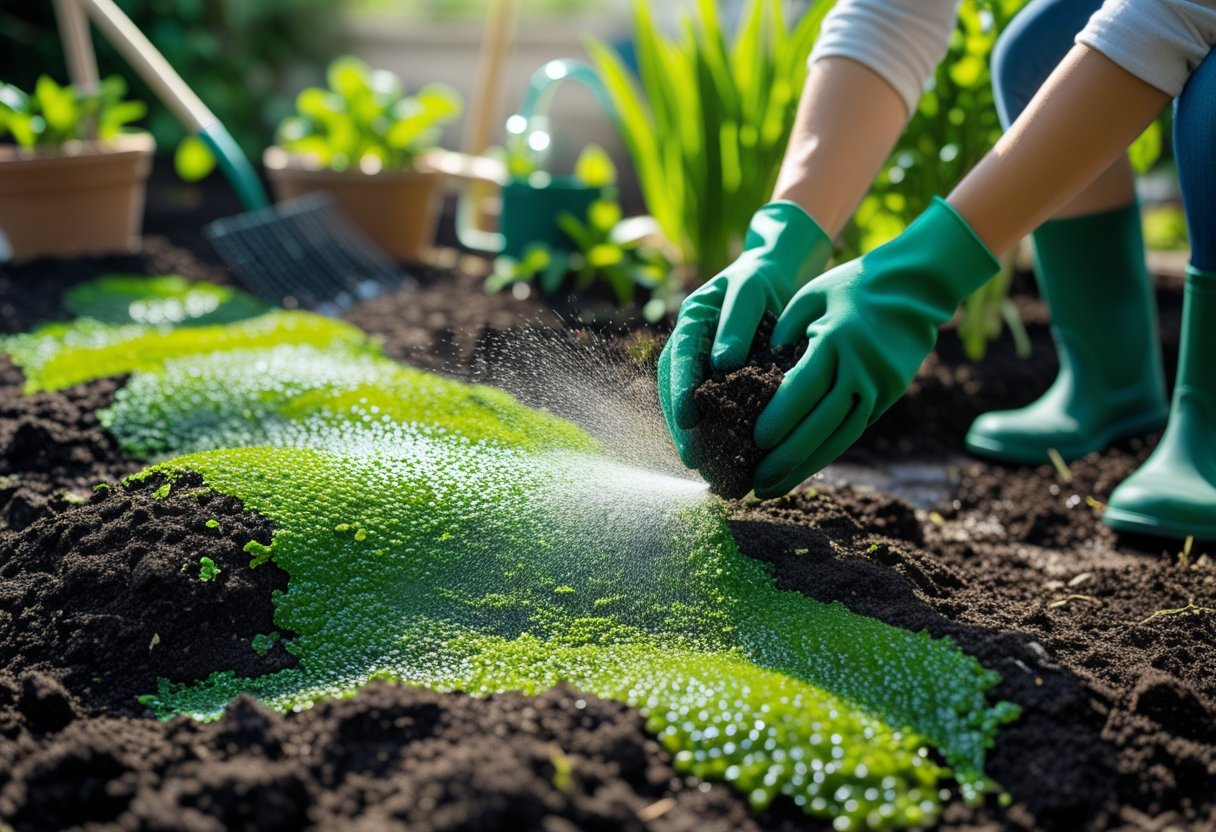
Algae growth creates several problems that can compromise your garden’s productivity and soil quality. These organisms compete directly with your plants while altering the physical and chemical properties of your growing medium.
Competition for Nutrients and Water
Algae actively absorb essential nutrients from your soil, creating direct competition with your plants. These organisms consume nitrogen, phosphorus, and potassium that your vegetables and flowers need for healthy growth.
The competition becomes particularly intense during the growing season when your plants require maximum nutrition. Algae can lead to nutrient competition that weakens plant development and reduces yields.
Water absorption presents another major concern. Algae form dense mats on the soil surface that intercept irrigation water before it reaches plant roots.
Key nutrients affected by algae:
- Nitrogen (essential for leaf growth)
- Phosphorus (crucial for root development)
- Potassium (important for disease resistance)
- Micronutrients like iron and magnesium
Your plants may show signs of nutrient deficiency even when fertilizer levels appear adequate. Yellow leaves, stunted growth, and poor flowering often indicate algae interference with nutrient uptake.
Impact on Soil Aeration and Compaction
Algae growth severely restricts air movement through your soil profile. The slimy green layer that forms on the surface creates an impermeable barrier that prevents oxygen from reaching plant roots.
Soil aeration becomes compromised when algae mats block pore spaces. Your plants need oxygen in the root zone for proper cellular respiration and nutrient absorption.
Poor aeration leads to anaerobic conditions that promote harmful bacteria growth. These conditions can cause root rot and other diseases that damage your plants.
Algae also contributes to soil compaction over time. The dense organic matter breaks down and forms a hardened crust that restricts root penetration and water infiltration.
Signs of poor soil aeration:
- Water pooling on the surface
- Slow water infiltration
- Foul odors from the soil
- Wilting plants despite adequate moisture
Consequences for Soil Health and pH Imbalance
Algae decomposition significantly alters your soil’s chemical balance and overall health. As algae die and break down, they release organic acids that can lower soil pH levels.
Soil structure deteriorates when algae interfere with beneficial microorganism activity. The altered environment reduces populations of helpful bacteria and fungi that maintain healthy soil ecosystems.
pH imbalances affect nutrient availability even when fertilizers are present. Most plants require soil pH between 6.0 and 7.0 for optimal nutrient uptake.
Algae also disrupts the natural soil food web by creating conditions that favor harmful organisms over beneficial ones. This disruption can persist long after you remove visible algae growth.
Soil health indicators affected:
- Reduced beneficial microorganism populations
- Altered pH levels (typically more acidic)
- Decreased organic matter quality
- Impaired nutrient cycling processes
Your soil may require months to recover its natural balance after algae growth has been eliminated and proper management practices are restored.
Effective Methods to Remove Algae from Soil
Removing algae from soil requires a combination of physical removal, proper moisture management, drainage improvements, and targeted treatments. These approaches work together to eliminate existing algae while preventing future growth.
Manual Removal Techniques
Manual removal provides immediate results for surface algae infestations. Use a rake, hoe, or hand trowel to gently scrape away the green algae layer from affected areas.
Work during dry conditions when algae forms a crusty surface that lifts away easily. Avoid aggressive scraping that damages underlying soil structure or plant roots.
Tools for manual removal:
- Garden rake for large areas
- Hand trowel for precise work
- Hoe for stubborn patches
- Garden gloves for protection
Dispose of removed algae in compost bins or yard waste containers. Never leave scraped algae on soil surfaces where it can regrow when moisture returns.
For potted plants, remove the top inch of algae-covered soil and replace with fresh potting mix. This method works best for container gardens and raised beds.
Related Posts:
- What Plants to Plant in August: Expert Gardening Tips
- How to Prune Plants for Beginners: A Clear and Confident Guide
- How to Trellis Monstera for Growth and Beauty
- 25 Best Plants for a Fall Garden: Top Picks for Seasonal Beauty
Adjusting Watering Practices
Proper watering techniques directly impact algae development by controlling soil moisture levels. Water plants early morning to allow excess moisture to evaporate throughout the day.
Apply water directly to plant root zones rather than broadcasting over entire soil surfaces. This targeted approach reduces surface moisture that encourages algae growth.
Effective watering strategies:
- Use drip irrigation systems
- Install soaker hoses
- Water at soil level, not overhead
- Reduce watering frequency
- Increase watering depth
Allow soil to dry between watering sessions. Most plants tolerate slightly dry conditions better than consistently wet soil that promotes algae formation.
Check soil moisture by inserting your finger two inches deep. Water only when soil feels dry at this depth rather than following rigid schedules.
Improving Soil Drainage and Aeration
Poor drainage creates waterlogged conditions that algae thrives in. Improving soil drainage eliminates standing water and reduces moisture retention.
Add coarse materials like perlite, sand, or small gravel to heavy clay soils. These amendments create air spaces that allow excess water to drain away from plant roots.
Install drainage tiles or French drains in persistently wet areas. These systems redirect water away from problem zones before algae can establish.
Soil aeration techniques:
- Core aeration with specialized tools
- Adding organic matter like compost
- Creating raised beds for better drainage
- Installing drainage systems
- Avoiding soil compaction
Regular cultivation breaks up compacted soil layers that trap moisture. Use a garden fork to create holes throughout affected areas without disturbing plant roots.
Using Algaecides and Natural Herbicides
Chemical algaecides provide fast control for severe infestations but require careful application. Choose products specifically labeled for soil use rather than pond or pool treatments.
Natural herbicides offer safer alternatives for organic gardens. White vinegar applied directly to algae patches kills surface growth within days.
Treatment options:
- Copper-based algaecides for severe cases
- Vinegar solutions for spot treatment
- Baking soda applications
- Hydrogen peroxide treatments
Apply treatments during sunny, dry weather for maximum effectiveness. Reapply natural herbicides every few days until algae disappears completely.
Test any chemical treatment on small areas first to ensure plant safety. Follow manufacturer instructions precisely to avoid damaging desirable plants or soil organisms.
Preventing Algae Regrowth in Garden Soil
Effective algae prevention requires consistent moisture management, proper soil nutrition monitoring, and strategic use of mulching materials. These practices create conditions that naturally discourage algae development while supporting healthy plant growth.
Best Practices for Long-Term Control
Proper drainage forms the foundation of algae prevention. Install drainage tiles or amend heavy clay soils with coarse sand and organic matter to improve water movement.
Test your soil every 6 months to maintain optimal pH levels between 6.0-7.0. Acidic conditions below 6.0 encourage algae growth in consistently moist environments.
Space plants according to their mature size requirements. Overcrowded plantings create humid microclimates that promote algae development in garden soil.
Fertilizer timing prevents nutrient imbalances that feed algae. Apply nitrogen-based fertilizers during active growing seasons only, avoiding late fall applications when plants cannot utilize excess nutrients.
Remove dead plant material promptly. Decomposing organic matter creates anaerobic conditions that support both algae and harmful bacteria growth.
Mulching and Shading Strategies
Apply 2-3 inches of organic mulch around plants to block sunlight from reaching soil surfaces. Wood chips, shredded bark, and straw create effective barriers against algae formation.
Inorganic mulches like gravel or landscape fabric work well in areas with persistent moisture problems. These materials allow air circulation while preventing light penetration.
Position taller plants to create natural shade over vulnerable soil areas. This reduces surface temperatures and moisture evaporation rates that contribute to algae-friendly conditions.
Replace mulch annually or when it decomposes to less than 1 inch thickness. Fresh mulch maintains consistent coverage and prevents garden soil from turning green.
Avoid mulching directly against plant stems. Leave 2-4 inches of clear space to prevent moisture retention that encourages both algae and fungal diseases.
Monitoring Soil Moisture and Nutrition
Check soil moisture at 2-inch depth before watering. Soil should feel slightly damp but not saturated or sticky when squeezed.
Water early morning between 6-8 AM to allow surface moisture to evaporate before nightfall. Evening watering creates prolonged wet conditions that support algae growth.
Use drip irrigation or soaker hoses instead of overhead sprinklers. These methods deliver water directly to root zones without wetting soil surfaces unnecessarily.
| Monitoring Schedule | Action Required |
|---|---|
| Weekly | Check soil moisture levels |
| Monthly | Inspect for early algae signs |
| Seasonally | Test soil pH and nutrients |
| Annually | Evaluate drainage effectiveness |
Install a rain gauge to track natural precipitation. Reduce watering schedules during periods of frequent rainfall to prevent oversaturation.
Digital soil sensors provide accurate moisture readings at multiple depths. These tools help maintain consistent moisture levels without creating conditions that prevent algae growth long-term.
Frequently Asked Questions
Gardeners often encounter algae growth when dealing with overly moist conditions and poor drainage. Natural removal methods, proper watering techniques, and understanding algae’s impact on plant health are essential for maintaining healthy garden soil.
What are natural methods to eliminate algae from garden soil?
Manual removal using basic garden tools provides the most direct approach to algae elimination. Use a rake, hoe, or hand trowel to gently scrape the algae layer from the soil surface.
Improving soil drainage naturally prevents algae recurrence. Mix compost into your existing soil to enhance drainage and aeration.
Create physical barriers by elevating your planting areas. Raised beds, mounds, or grow bags eliminate standing water that promotes algae growth.
Increase air circulation around affected areas by pruning nearby vegetation. Better airflow helps soil surfaces dry more quickly after watering or rain.
What are effective home remedies to treat soil algae infestations?
Adjust your watering schedule to reduce moisture levels that support algae growth. Water plants early in the morning so soil surfaces can dry throughout the day.
Apply a thin layer of coarse sand or perlite over affected soil areas. These materials improve surface drainage and make conditions less favorable for algae development.
Sprinkle baking soda lightly over algae-covered soil as a natural pH adjuster. The alkaline environment discourages algae growth while remaining safe for most plants.
Use diluted white vinegar as a spot treatment for small algae patches. Apply sparingly to avoid altering soil pH dramatically.
How can one safely remove algae in soil without harming plants?
Focus on physical removal and moisture reduction rather than chemical treatments near plant roots. Gently scrape algae from the surface without disturbing the root zone.
Time your removal efforts during dry weather conditions. This prevents spreading algae spores to clean soil areas.
Avoid over-watering after algae removal to prevent immediate regrowth. Monitor soil moisture levels using your finger or a moisture meter.
Apply organic mulch after cleaning to suppress algae regrowth. Wood chips, straw, or shredded leaves create a barrier while benefiting your plants.
Can DIY solutions effectively combat soil algae problems?
Homemade solutions work effectively when you address underlying moisture issues simultaneously. Simple drainage improvements often prove more effective than chemical treatments.
Create a cinnamon powder treatment by sprinkling ground cinnamon over affected areas. This natural antifungal also helps suppress algae growth on soil surfaces.
Mix equal parts water and hydrogen peroxide for spot treatments on persistent algae patches. Apply carefully to avoid contact with plant foliage.
Combine physical removal with improved garden practices for lasting results. DIY solutions work best as part of comprehensive moisture management.
What are the impacts of green algae presence on soil health?
Green algae creates a barrier that prevents proper air and water penetration into soil. This surface layer can suffocate beneficial soil organisms and restrict root development.
Algae growth indicates excessive moisture and poor drainage conditions. These same conditions promote root rot and other plant diseases.
The algae layer competes with plants for nutrients and light at the soil surface. Seedlings struggle to emerge through thick algae mats.
However, algae rarely causes direct damage to established plants with healthy root systems. The primary concern involves seedling establishment and overall garden appearance.
What substances can effectively kill algae without damaging soil quality?
Copper sulfate provides effective algae control in small concentrations but requires careful application. Use only food-grade copper sulfate and follow package directions precisely.
Beneficial bacteria products help establish healthy soil microorganisms that naturally suppress algae growth. These biological controls improve long-term soil health.
Diatomaceous earth sprinkled lightly over soil creates an inhospitable surface for algae development. Choose food-grade diatomaceous earth for safety around edible plants.
Lime applications raise soil pH and create conditions less favorable for algae growth. Test your soil pH first to determine appropriate application rates.