
*I get commissions for purchases made through affiliate links in this post at no extra cost to you. I do not promote anything I haven’t validated or personally used myself.
Learning how to grow carrots in Arizona can be a rewarding experience if you follow the right steps. To grow carrots in Arizona, make sure to plant them from the end of August through March, when the temperatures are more favorable. The key is to prepare the soil well, ensuring it is loose and well-drained to help the roots develop properly.
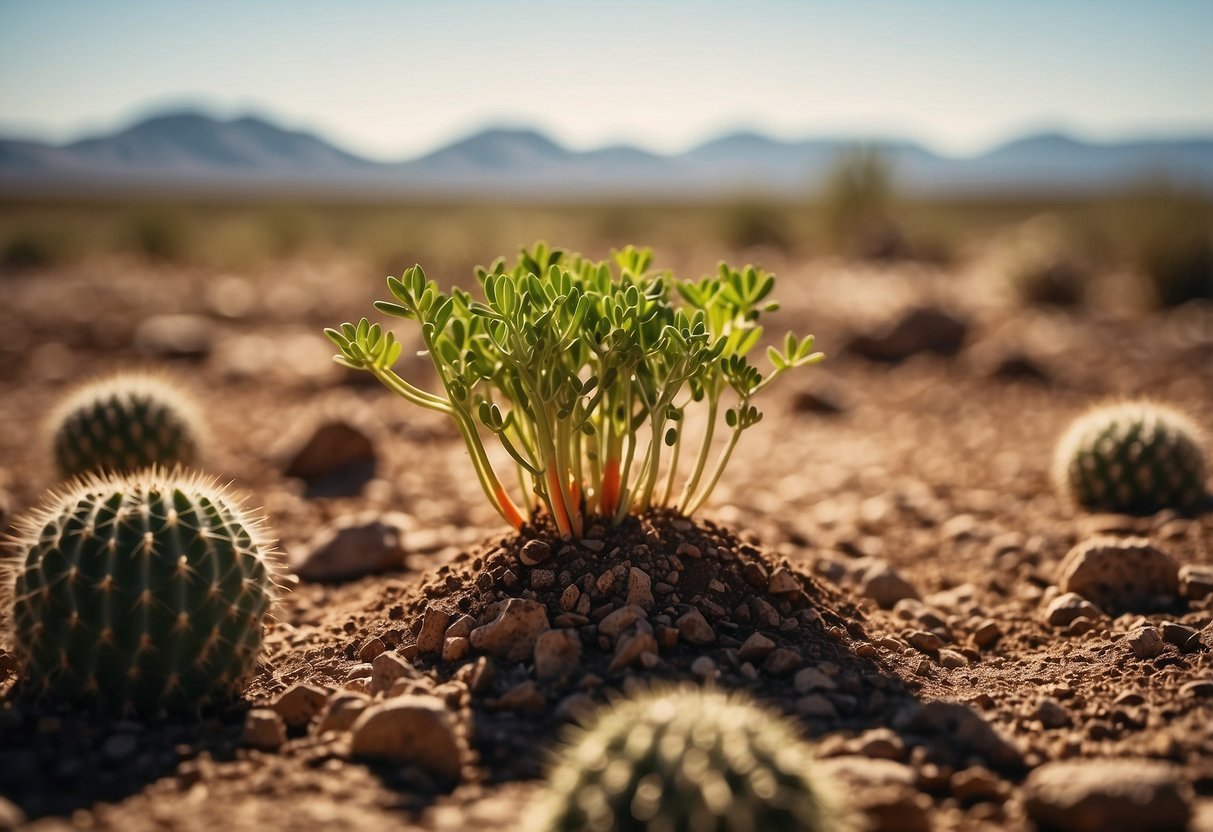
Begin by spacing the seeds half an inch deep and one inch apart. As the plants grow, thin them out to keep them four inches apart. Regular watering is crucial, especially in Arizona’s hot climate, to prevent the roots from getting soft. By carefully managing these elements, you can enjoy a bountiful harvest of sweet and crunchy carrots.
Proper soil preparation, watering, and thinning are essential. Choosing the right carrot varieties suited for Arizona’s heat will improve your chances of success. With attention and care, your carrot crop will thrive even in challenging conditions.
Understanding Carrot Varieties
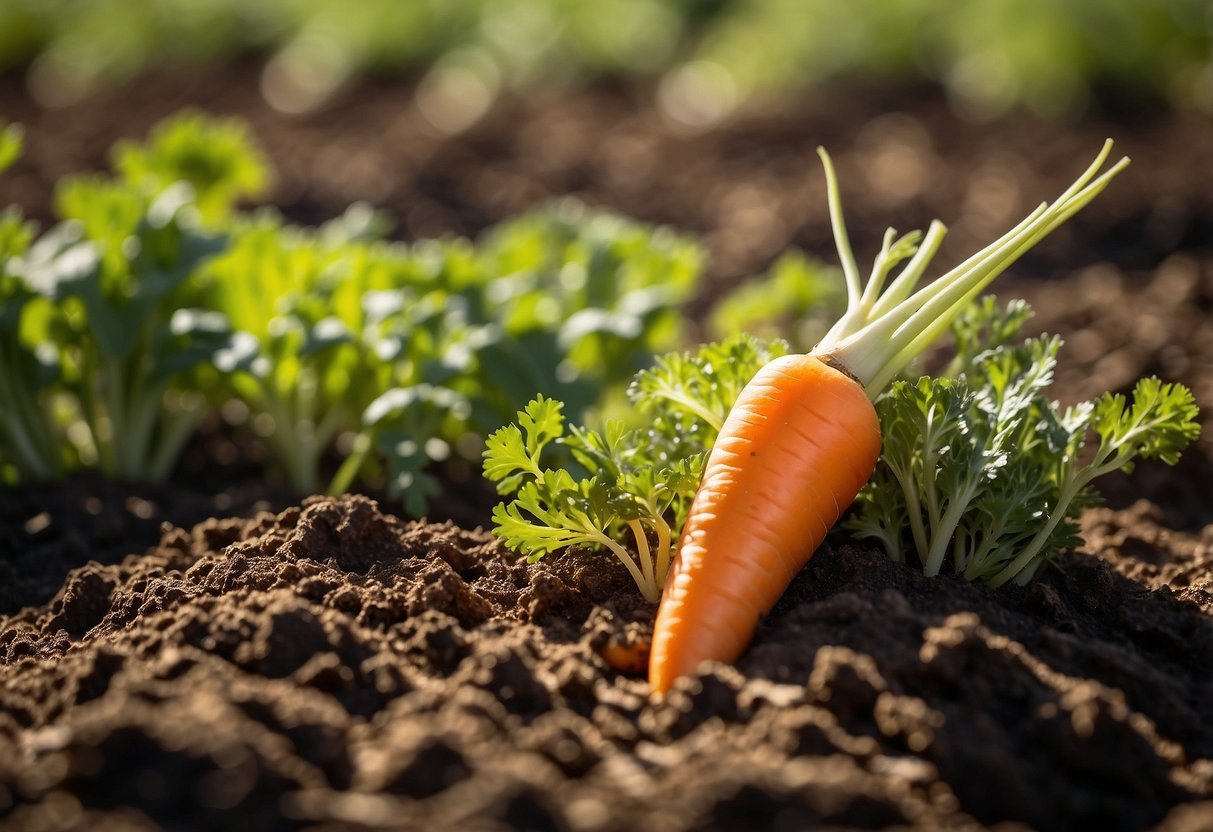
To grow carrots successfully in Arizona, choose varieties that match the climate and soil conditions. Knowing the traits of popular varieties and their tolerance to Arizona’s unique weather will greatly help.
Traits of Popular Varieties
Danvers are known for their adaptability and resistance to pests. These carrots are short, thick, and taper to a blunt end, making them ideal for heavier soils.
Nantes have cylindrical roots and are very sweet. They are versatile and can grow well in various soil types, including sandy or loose soils.
Imperator varieties are long and slender, with a high sugar content. They prefer deeper, well-drained soils to reach their full length.
Bolero is another excellent choice, especially for fresh snacking and cooking. This variety has a slight taper and a sweet flavor.
Tolerance to Arizona Climate
Carrots can be picky about their environment, and Arizona has extreme weather conditions that must be managed carefully.
Bolero is known for being heat tolerant. This makes it a good option for the warmer seasons in Arizona.
Danvers tend to be more resistant to pests and diseases, crucial in battling the harsh climate of Arizona.
Nantes perform well in varying soil conditions and are less sensitive to temperature fluctuations. This makes them suitable for both spring and fall planting.
Imperator varieties may struggle in the shallow soils found in some parts of Arizona, but perform better in raised beds or amended soils.
Choosing the right varieties and understanding their traits and tolerances can make a significant difference in your carrot-growing success in Arizona.
Climate and Seasonal Timing in Arizona
Arizona has a unique climate that is ideal for growing carrots, a cool-season crop. The state’s mild winters and distinct planting windows in the spring and fall provide the best opportunity for a successful harvest.
Best Time for Planting
Carrots thrive in the cool seasons. In Arizona, the optimal planting times are in February and March for a spring harvest and in September and October for a fall harvest. These months offer the mild temperatures that carrots need.
Planting in early spring allows the carrots to establish before the intense summer heat. Fall planting is also effective as it gives the carrots fall and winter to grow. Use well-draining soil and ensure it is loose enough for the carrot roots to expand.
Winter Gardening in the Grand Canyon State
Winter gardening in Arizona is beneficial due to the mild winters. Unlike other states, Arizona’s winter temperatures are not harsh, making it an excellent time for growing cool-season crops like carrots. The weather remains cool without freezing, helping the carrots develop a sweeter flavor.
Pay attention to soil moisture during these months. The dry Arizona air can lead to soil drying out faster, requiring more frequent watering. Use mulch to conserve moisture and protect the roots. With proper care, winter gardening can lead to a bountiful carrot yield by early spring.
Soil Preparation and Requirements
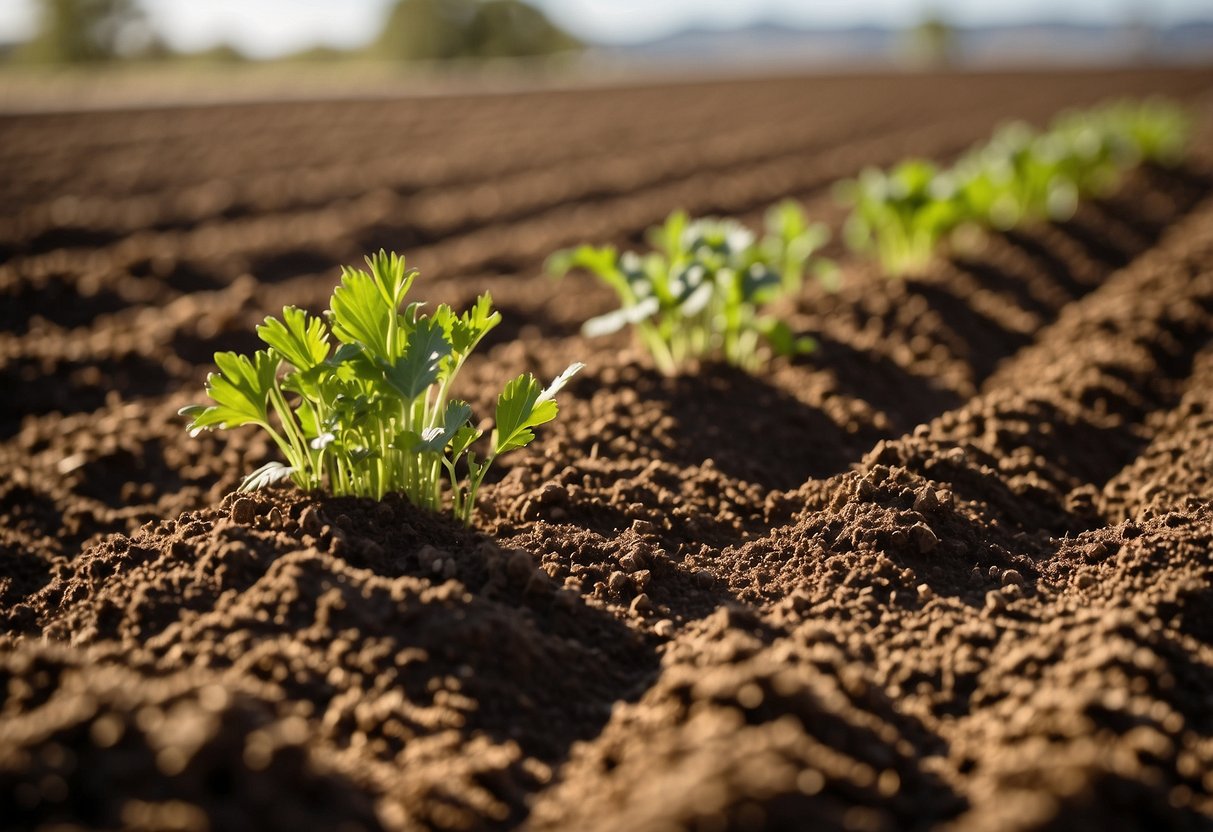
When growing carrots in Arizona, the soil plays a crucial role in ensuring a successful harvest. You’ll need to focus on soil type, composition adjustments, and the pH level to create an optimal environment for your carrots.
Optimal Soil Types for Carrots
Carrots thrive best in well-draining soils. Sandy soils are ideal because they prevent waterlogging and provide the loose texture essential for carrot root development. If you are in an area with heavy clay soil, you’ll need to amend it for better drainage.
Using a mix of sandy soil and organic matter like compost can help achieve the right balance. Compost not only enhances drainage but also improves soil fertility, ensuring that the carrots get the nutrients they need.
Adjusting Soil Composition
If your soil isn’t naturally sandy, you can improve it by adding organic matter. Incorporate compost, aged manure, or leaf mold to enrich the soil. These materials enhance drainage and provide necessary nutrients like phosphorus and potassium.
You may want to use a balanced fertilizer to supplement these nutrients further. Make sure to remove any large stones and debris to prevent them from impeding the growth of your carrot roots. Proper soil preparation is key to preventing stunted growth or forked carrots.
Importance of Soil pH
The soil pH should be slightly acidic to neutral for optimal carrot growth. Aim for a pH level between 6.0 and 6.8. You can test your soil pH using a soil pH meter or a testing kit from a garden center.
If your soil is too acidic, adding lime can help raise the pH. On the other hand, if the soil is too alkaline, you can lower the pH by incorporating sulfur or using acidic organic matter like pine needles. Maintaining the correct pH is vital for nutrient availability and carrot health.
Carrot Planting Techniques
To grow carrots successfully in Arizona, you need the right planting methods. Here, we’ll discuss whether to start with seeds directly in the soil or use seedlings and how to thin them effectively.
Direct Sowing versus Seedlings
Planting carrot seeds directly in the soil, also known as direct sowing, is typically more effective than using seedlings. Carrots have delicate roots that can be damaged during transplanting. Therefore, direct sowing helps ensure better growth and root development.
In Arizona, you should plant seeds in loose, well-draining soil. The planted seeds should be about 1/4 inch deep and spaced roughly 1-2 inches apart. Water the area lightly but keep it moist until the seeds germinate, which usually takes about 14 to 21 days.
If you opt for seedlings, they should be transplanted carefully to avoid root damage. Make sure they are spaced adequately, just like directly sown seeds. However, because seedlings can struggle with root disruption, direct sowing remains the recommended method.
Strategies for Thinning Seedlings
Thinning seedlings is crucial to give each carrot enough space to grow properly. When the seedlings reach about 2 inches tall, thin them so that each plant is spaced approximately 2-3 inches apart. This spacing ensures they have room for root expansion and nutrient absorption.
To thin the seedlings, simply snip or pinch off the weaker plants at the soil level. Avoid pulling them out, as this can disturb the roots of the remaining carrots. Perform thinning in the evening or on a cloudy day to minimize stress on the plants.
Remember to keep the soil moist but not waterlogged. Consistent moisture helps carrots grow straight and prevents them from becoming woody or split. Regularly check for pests like carrot flies, which can damage young plants, and take action as needed.
For more detailed advice, visit Growing Carrots in Arizona.
Irrigation and Moisture Management
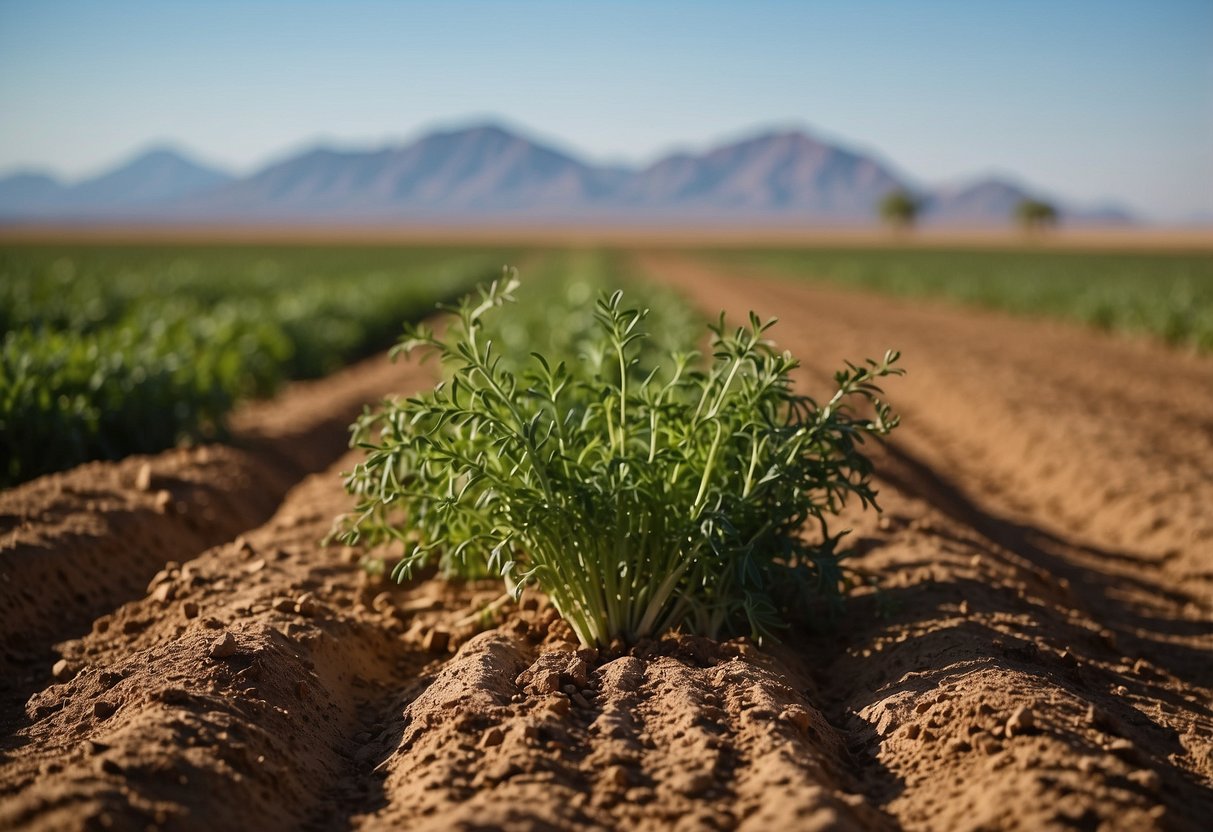
Successfully growing carrots in Arizona requires understanding how to properly water them and maintain consistent moisture in the soil. Here, we’ll look at the best practices for watering and ensuring your carrots thrive despite the heat.
Watering Requirements for Carrots
Carrots need about an inch of water per week. This includes rainfall and any extra watering you do. Soil should be moist but not waterlogged. Carrots can suffer if watered too much or too little.
A good way to know if it’s time to water is to check the topsoil. If it’s dry, it’s time to water. It’s especially important to keep the soil moist during germination. Use drip irrigation or soaker hoses to achieve this.
This method ensures water reaches the roots without wasting it. Carrots also benefit from deep watering. Aim for soil to be moist several inches deep, which encourages strong root growth.
Maintaining Consistent Moisture
Consistent moisture is crucial for carrot growth. In Arizona’s summer heat, soil can dry out quickly. Mulching around your carrot plants can help retain moisture. This can be especially helpful in hot weather.
Check the soil regularly to ensure it stays evenly moist. Using organic mulch like straw or grass clippings can help keep the soil cool and retain water.
Inconsistent watering can cause issues like splitting roots. To avoid this, try to water at the same time each day or week. Adjust watering schedules based on weather conditions. During hotter periods, you may need to increase the frequency but aim to provide consistent moisture levels.
Pest and Disease Control
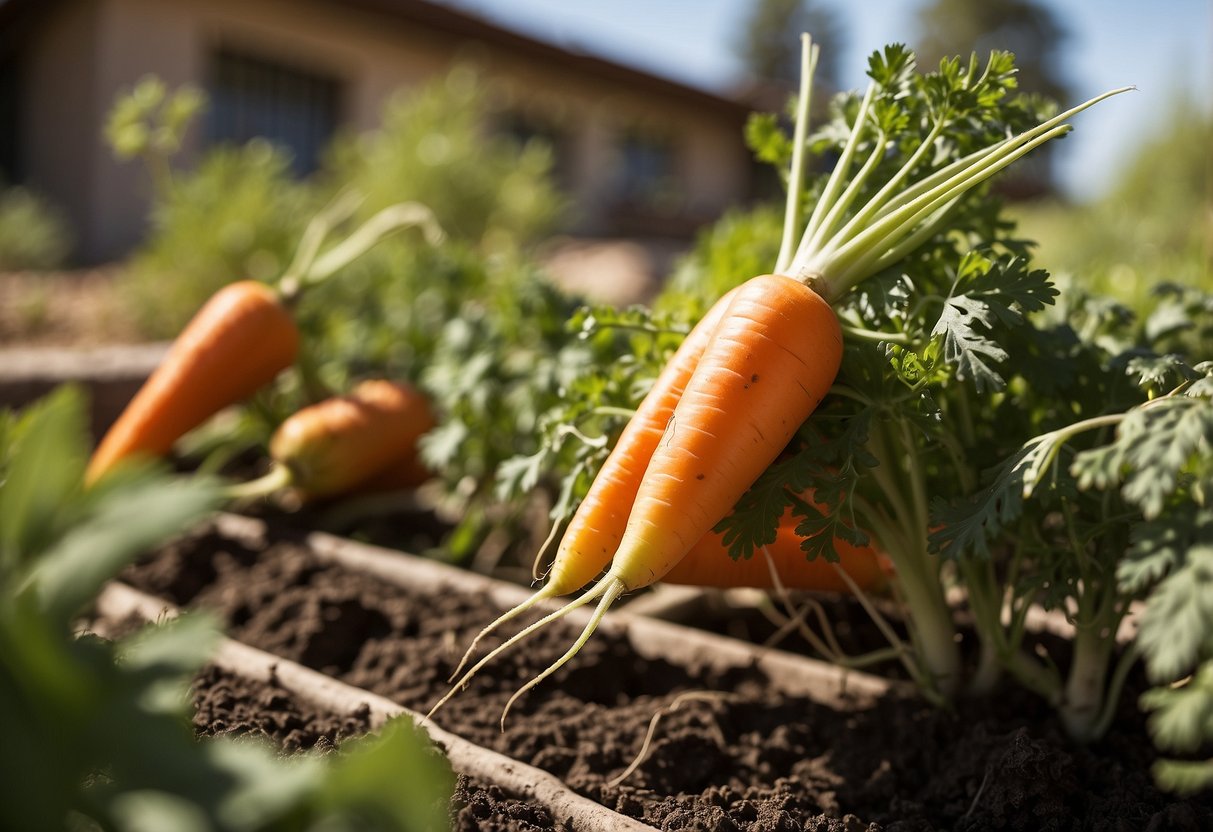
Growing carrots in Arizona requires attention to managing both pests and diseases to ensure a healthy crop. You must know how to address common pests like aphids and carrot rust flies and use effective disease prevention techniques such as crop rotation and proper garden bed preparation.
Common Pests and How to Handle Them
Aphids and carrot rust flies are common pests you may encounter. Aphids can be controlled by introducing beneficial insects like ladybugs, which naturally prey on them. For carrot rust flies, consider using row covers to prevent adult flies from laying eggs near the carrots.
Another pest, the nematode, can cause severe damage to carrot roots. Regularly check your plants for signs of infestation, such as stunted growth or deformed roots. Using organic pesticides and maintaining healthy soil can help keep these pests at bay.
It’s also beneficial to practice companion planting. Plants like onions and garlic can repel many pests. Healthy soil management and regular monitoring are crucial for keeping your carrot plants pest-free.
Disease Prevention and Solutions
Root rot is a common disease that can affect carrot plants. Ensuring well-draining soil and avoiding overwatering are key steps to prevent this issue. Crop rotation is also essential to avoid soil-borne diseases. Never plant carrots in the same spot year after year.
To protect against fungal diseases like Alternaria leaf blight, provide proper spacing between plants to increase air circulation. Fungal spores thrive in damp environments, so keeping foliage dry is important.
Using disease-resistant carrot varieties can also offer some protection. Regularly inspect plants and remove any infected leaves or roots promptly. Consider using organic fungicides as a preventive measure to maintain the health of your carrot crop. For more tips and info, visit ProGardenTips.
Companion Planting and Crop Rotation
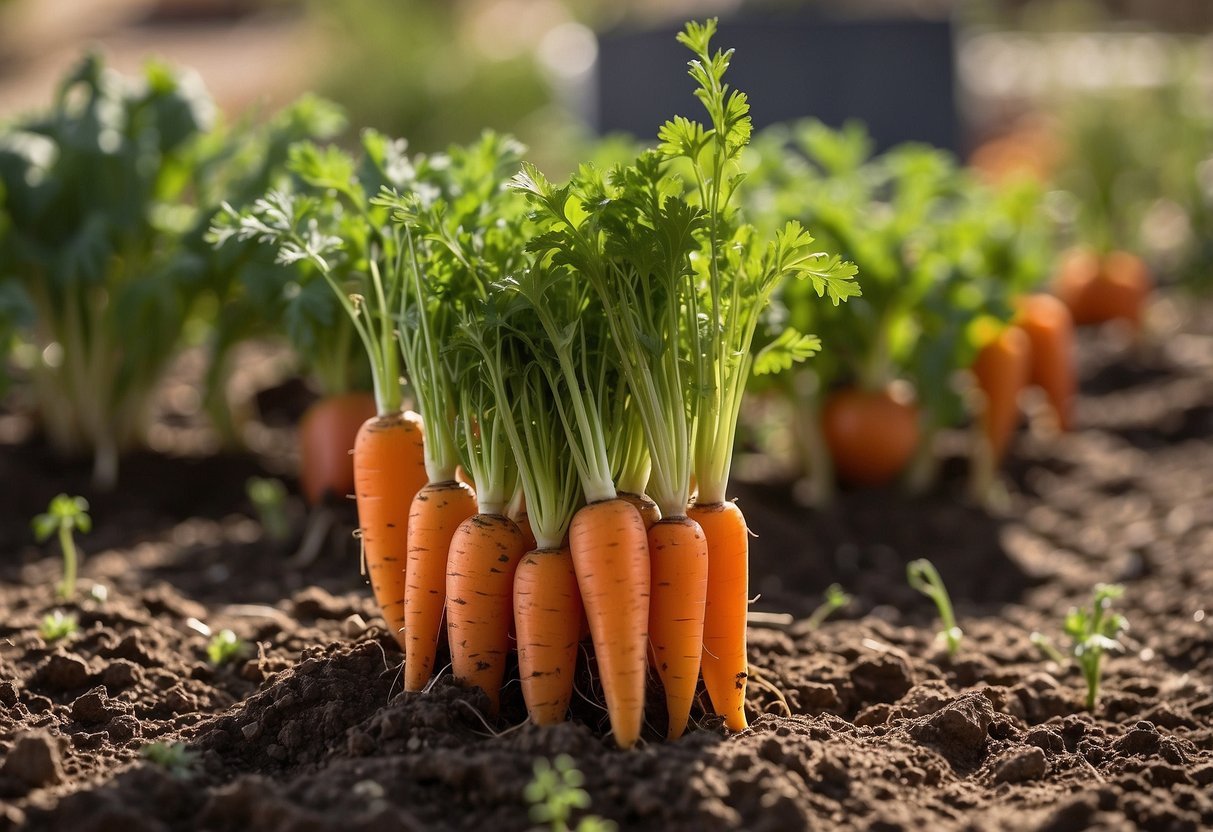
Companion planting and crop rotation are essential practices for successful carrot cultivation in Arizona. They help improve soil health, manage pests, and boost crop yields.
Benefits of Companion Planting
Companion planting involves growing different plants close together to benefit each other. For carrots, companion plants like lettuce and radishes help with pest control and promoting growth.
Lettuce can provide shade to young carrot seedlings, keeping the soil moist. Radishes are great companions as they mature quickly and can be harvested before they crowd the carrots.
On the other hand, avoid planting carrots with dill and potatoes. Dill can attract pests that also target carrots, while potatoes may compete for soil nutrients.
Proper companion planting can also help deter pests naturally, reducing the need for chemical treatments. For instance, planting tomatoes near carrots can repel certain insect pests.
Effective Crop Rotation Practices
Crop rotation is crucial for maintaining soil health and preventing disease buildup. Rotate your carrot crops with different plant families each season.
Avoid planting carrots in the same spot where you previously grew legumes or other root vegetables in the previous year. This practice helps minimize soil nutrient depletion and reduces the risk of pests and diseases.
A good rotation sequence might be:
- Year 1: Carrots
- Year 2: Leafy greens like lettuce or spinach
- Year 3: Fruit-bearing plants like tomatoes
Using this cycle, you can ensure the soil remains fertile and pest-free. Additionally, incorporating different crops like beans or peas can enrich the soil with nitrogen, benefiting future carrot crops.
Harvesting Carrots in Arizona
You need to know the best time to harvest your carrots and how to tell when they are ready. Harvesting at the right time ensures sweetness and proper size, while knowing the signs of maturity helps avoid pulling them too early or too late.
When and How to Harvest
To achieve the best results, carrots should be harvested in the early spring or late fall. In Arizona, it is crucial to time the harvest before the intense summer heat or after the harsh winter frost dates. Carrot tops can be a good indicator of when to harvest.
Make sure the diameter of the carrot tops is at least 1/2 inch. Gently loosen the soil around the carrots using a garden fork to avoid breaking them. Carefully pull them up by the tops, ensuring you get the entire root.
To keep the soil in good condition, rotate your carrot crops each season. This practice helps in reducing soil nutrient depletion and pest buildup.
Determining Carrot Maturity
Checking the carrot tops can reveal a lot about their maturity. When the tops reach about 3/4 to 1 inch in diameter, they are usually ready for harvest. Another sign is the vibrant, green color of the carrot tops.
Make sure to avoid letting the carrots stay in the ground too long. Over-mature carrots can become woody and lose their sweet flavor. A simple taste test can also help. Gently pull a couple of carrots and taste them for sweetness and texture.
Watch the carrots’ growth closely, especially during their last few weeks. Regular checks will help you determine the perfect time to harvest and enjoy your fresh, homegrown carrots.
Special Considerations for Growing Carrots in the Desert
Growing carrots in the desert requires careful planning due to extreme temperatures and low humidity. Key strategies include adjusting planting times, maintaining soil moisture, and using raised beds to manage soil conditions.
Adapting to Low Desert Conditions
Planting carrots in Arizona’s low desert regions like Phoenix and Tucson can be successful if you choose the right time. Carrots are best planted in the fall and early spring to avoid the scorching summer heat. This timeframe offers milder temperatures, which are crucial for seed germination.
Watering is another critical factor. Carrots need consistent moisture, especially during the germination phase. Using drip tape or a soaker hose ensures even and targeted watering, preventing the soil from drying out. Mulching with organic materials like straw helps retain moisture and regulate soil temperature.
Full sun exposure is essential for healthy growth, but consider providing some shade during peak summer months to prevent scorching. Combining these practices fosters an environment where your carrot seedlings can thrive.
Using Raised Beds in Arid Environments
Raised beds are beneficial for growing carrots in the desert, like in Prescott or Flagstaff. They allow you to control soil quality, drainage, and moisture levels more effectively compared to ground planting. Carrots thrive in loose, well-draining soil, which is easier to manage in raised beds.
Soil composition is essential. Mix good quality compost with building sand to create a conducive growing environment for your carrots. Fine, well-draining soil helps root vegetables like carrots to grow straight without the hindrance of rocks or compacted soil.
Raised beds also heat up quicker in the spring and can be protected against severe cold in the winter. They make managing pests and diseases easier. These benefits can significantly improve your chances of successfully growing carrots in desert climates.
Frequently Asked Questions
Growing carrots in Arizona involves considering specific factors such as temperature, planting times, companion plants, and effective techniques. Below are answers to common questions about cultivating carrots in this unique environment.
What is the ideal temperature range to successfully grow carrots in Arizona?
Carrots thrive in soil temperatures between 50 to 65 degrees Fahrenheit. This temperature range is crucial for proper germination and growth. Planting when it’s too hot or too cold can lead to poor results.
How long does it typically take for carrots to mature after planting?
Carrots generally take between 70 to 80 days to mature after planting. This depends on the specific variety of carrot and growing conditions, but a little patience will reward you with a good harvest.
What are some effective techniques for planting carrot seeds?
Use well-drained soil, and sow seeds 1/4 inch deep in rows spaced 1/2 inch apart. Water gently to keep soil moist but not waterlogged. Consistent moisture helps seeds germinate. Thin seedlings to improve root growth once they reach a couple of inches in height.
When is the best time of year to plant carrots in the Arizona climate?
The optimal time to plant carrots in Arizona is early spring or fall. Avoid summer planting because the extreme heat can hinder growth. Spring planting is best when the soil is cool but warming up, while fall planting benefits from cooling temperatures.
Can you recommend companion plants that would thrive alongside carrots in a garden?
Suitable companion plants include lettuce, tomatoes, and marigolds. These plants can help repel pests and provide shade, which can benefit carrot growth. Avoid planting carrots near dill or parsley as they can attract pests.
What are some tips for growing carrots successfully in desert environments?
Maintain consistent moisture by mulching to reduce water evaporation. Choose heat-tolerant varieties for better results. Provide some shade during peak heat to protect young plants. Regularly check soil moisture levels, especially during dry periods, to ensure proper hydration.