
*I get commissions for purchases made through affiliate links in this post at no extra cost to you. I do not promote anything I haven’t validated or personally used myself.
If you’re a gardener on Long Island, you know the importance of choosing the right perennials for your garden. Selecting perennials that thrive in Long Island’s specific climate will ensure your garden looks stunning year-round. These plants come back every year, making them a great investment for your landscape.
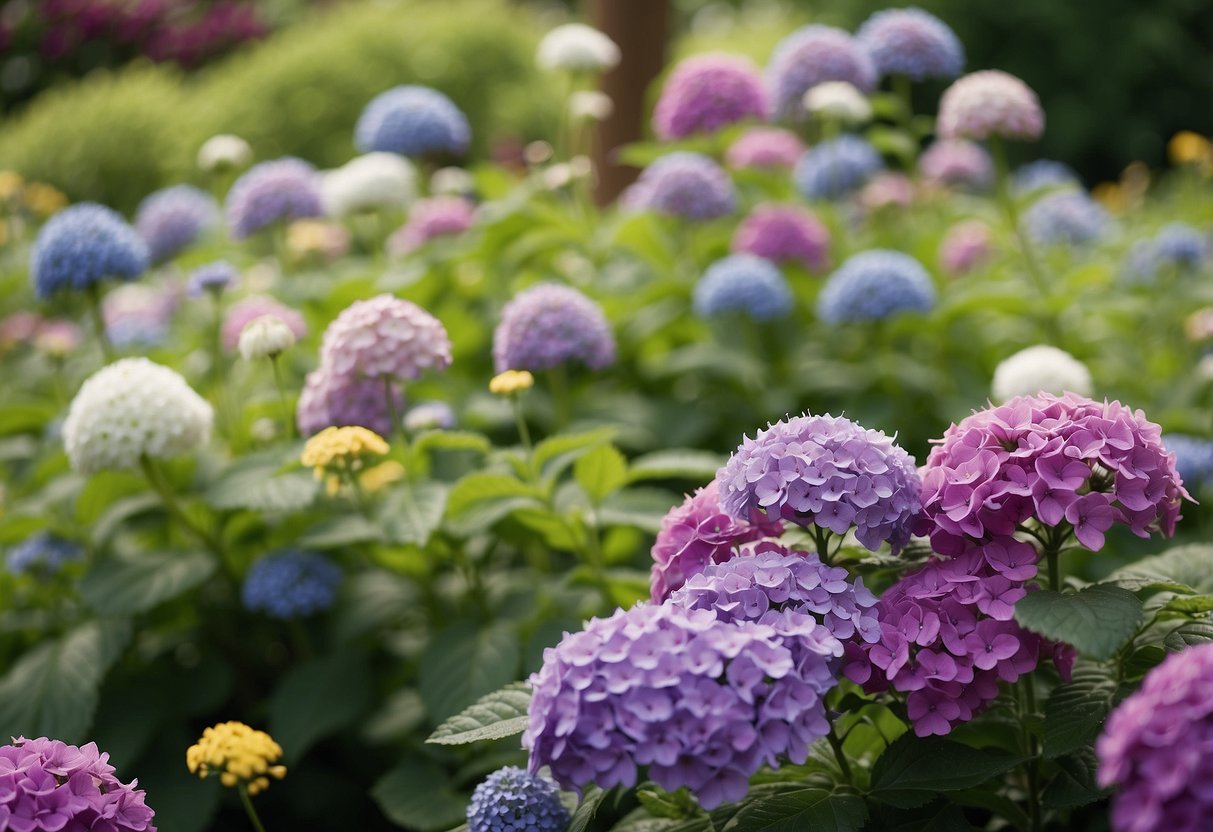
Among the best perennials for Long Island is bee balm, known for its vibrant red, pink, violet, or white blooms that last through summer. Thriving in full sun and well-drained soil, it’s a standout for local gardens. For areas with more shade, Astilbe is an excellent choice, adding striking scarlet-red flowers while flourishing in partial to full shade.
To make your garden the envy of your neighbors, explore perennials that suit your specific conditions. Plants like astilbe, available from Hicks Nurseries, and other low-maintenance perennials recommended by Better Homes & Gardens can provide lasting beauty and minimal upkeep for your Long Island garden.
Understanding Perennial Plants

Perennial plants are essential for creating a sustainable and vibrant garden. They come back year after year, providing consistent color and structure.
Defining Perennials
Perennials are plants that live for more than two years. Unlike annuals, which complete their life cycle in one season, perennials return each spring. They die back in the winter but maintain their root systems. This allows them to regrow when temperatures warm up. Some common perennials include hostas, daylilies, and coneflowers. These plants can vary greatly in size, color, and growing conditions, offering a wide range of options for your landscape.
Benefits of Planting Perennials
Perennials offer many advantages. First, they save you time and money. You don’t have to replant them every year, which reduces maintenance. They often have deep root systems that improve soil structure and help with water retention. That means your garden will be less prone to erosion. Additionally, perennials provide habitats for wildlife. Birds, bees, and butterflies all find food and shelter among these plants. Finally, perennials add stability and continuous beauty to your landscape, blooming at various times throughout the year. This ensures your garden always has something interesting to offer.
Choosing the Right Perennials for Long Island
Selecting the perfect perennials for your Long Island garden involves understanding the local hardiness zones, sun exposure, and soil conditions. This ensures your plants thrive year-round.
Considering Hardiness Zones
Long Island falls within USDA hardiness zones 7a and 7b. These zones help you determine which plants can withstand the local climate. Pick perennials that thrive in these zones to ensure they survive winter cold and summer heat. Some great choices include bee balm and astilbe, known for their vibrant colors and resilience.
Knowing your zone helps you avoid plants that can’t handle Long Island’s temperatures. Always check the plant’s label or description for its suitable hardiness zones before buying.
Analyzing Sun Exposure and Shade
Understanding sun exposure in your garden is crucial. Some areas may get full sun, while others are shaded for part or most of the day. Choose plants based on the sun and shade patterns they need. For instance, spike speedwell thrives in full sun, while astilbe prefers part shade to full shade.
Creating a mix of sun-loving and shade-tolerant plants ensures a diverse and healthy garden. Evaluate the light levels in different parts of your yard to determine where to plant.
Soil Types and Preparation
Long Island’s soil varies from sandy loam to other well-drained types. Sandy loam is ideal for many native plants due to its excellent drainage properties. Preparing your soil involves checking its pH and nutrient levels. Add organic matter like compost to improve soil health and texture.
Choose perennials that match your soil type for the best results. For example, bee balm prefers moist, well-drained soil, which is easy to achieve in Long Island gardens. Proper soil preparation sets a strong foundation for your plants to thrive.
Related Posts:
- Best Compost for Flower Beds: Top Organic Options to Boost Garden Growth
- Best Fertilizers for Your Garden: A Comprehensive Guide
- How to Maintain Your Garden in Winter: Expert Tips and Tricks
Popular Perennials for Long Island Gardens

When choosing perennials for your Long Island garden, aim for plants that offer vibrant colors, diverse foliage, and minimal maintenance. The following perennials are popular choices that thrive well in this region’s climate.
Bleeding Hearts and Astilbe
Bleeding hearts bring charm with their heart-shaped flowers that dangle from arching stems. They thrive in shady areas and prefer moist, well-drained soil. These plants reach heights of 2-3 feet and benefit from morning sun and afternoon shade.
Astilbe offers feathery plumes of flowers in shades of red, pink, and white. They do well in part shade to full shade and are ideal for adding texture to your garden. Astilbe likes rich, well-drained soil and consistent moisture, making it perfect for Long Island’s summer weather.
Columbine and Peonies
Columbine is known for its unique, spurred flowers that appear in a range of colors including blue, purple, and yellow. They prefer partial shade but can also tolerate full sun. Columbine grows well in well-drained soil and attracts pollinators like bees and butterflies.
Peonies are cherished for their large, fragrant blooms that can range from white to vibrant pinks and reds. They thrive in full sun and need well-drained soil. Plant peonies in a spot where they can remain undisturbed, as they do not transplant well.
Hostas and Catmint
Hostas are renowned for their lush, attractive foliage that comes in various shades of green, blue, and yellow. They prefer shady spots and moist, well-drained soil. Hostas are relatively low-maintenance and work well as ground cover or edging plants.
Catmint produces small, fragrant flowers that range from lavender to blue. It’s a hardy plant that thrives in full sun and well-drained soil. Catmint is drought-tolerant, making it a good choice for gardeners who prefer low-maintenance plants.
Lavender and Russian Sage
Lavender is beloved for its fragrant purple flowers and silvery foliage. It thrives in full sun and well-drained soil. Lavender is drought-tolerant and can be used for both decorative and culinary purposes.
Russian sage offers tall spires of blue to violet flowers and aromatic, gray-green foliage. It prefers full sun and well-drained soil. Russian sage is drought-tolerant and deer-resistant, making it an excellent choice for Long Island gardens.
Seasonal Considerations for Perennials
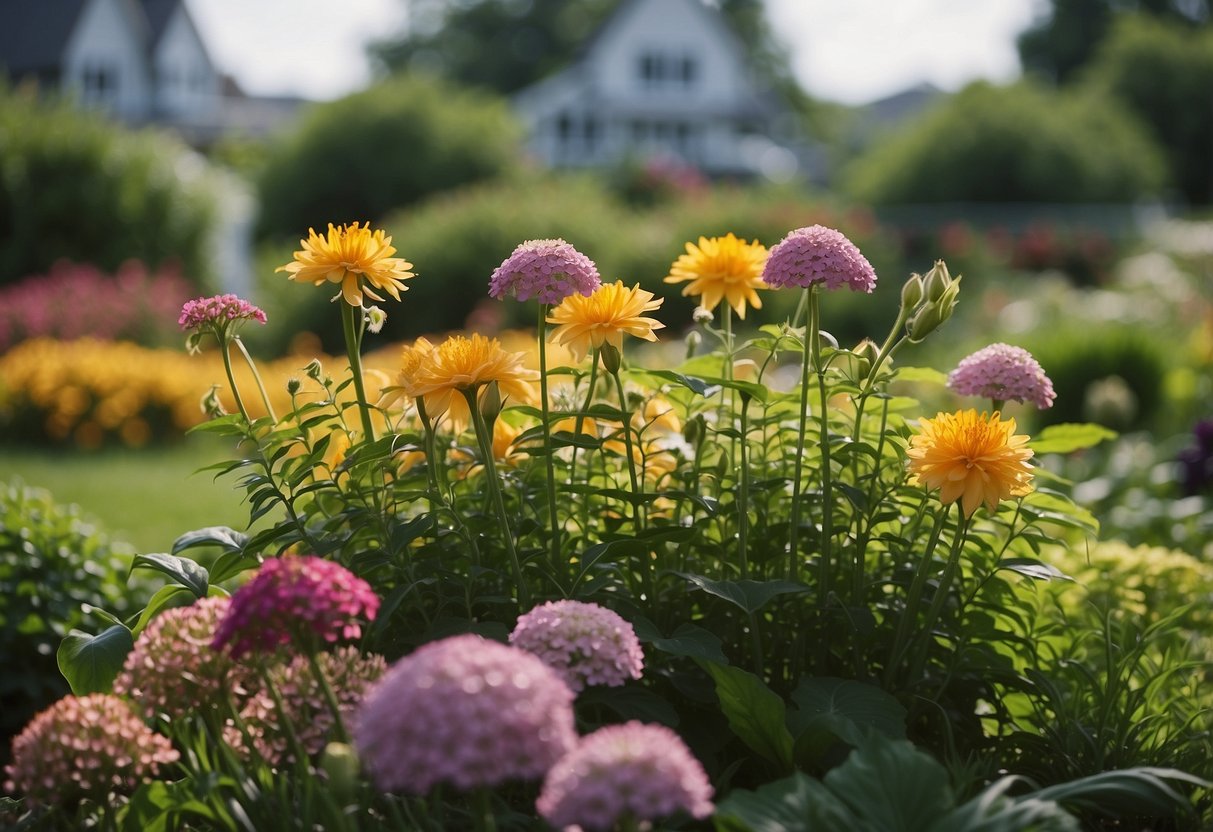
Understanding the seasons is crucial for getting the best blooms from your perennials. Each season brings different needs and opportunities for your plants to thrive.
Spring Bloomers
In spring, you’ll see the first bursts of color in your garden. Perennials like daffodils, tulips, and irises are popular choices. These flowers emerge after winter’s frost and are bright and cheerful.
Daffodils need well-draining soil and full or partial sunlight. Plant them in clusters for a stunning visual impact. Irises, with their sword-like leaves, also prefer sunny spots and well-drained soil. Spring bloomers are some of the earliest to show their colors, preparing your garden for the warmer months ahead.
Summer Favorites
Summer blooms are about vibrant, lasting color. Black-eyed Susans, daylilies, and lavender peak during this season. Black-eyed Susans are hardy and require minimal care, making them perfect for low-maintenance gardens.
Daylilies come in various shades, from yellow to crimson, and bloom repeatedly through summer. Lavender adds both color and fragrance, thriving in sunny spots with well-drained soil. Regular watering is essential, but be careful not to overwater, as this can cause root rot.
Autumn Interest
Autumn perennials keep your garden lively as temperatures drop. Asters, chrysanthemums, and Japanese anemones are popular for their fall colors. Asters prefer full sun and bloom in purple, pink, and white, creating a beautiful autumn palette.
Chrysanthemums, or mums, offer a variety of colors and are often the stars of fall gardens. Japanese anemones bloom from late summer into fall and add elegance with their white and pink flowers. These plants generally need rich, well-drained soil and should be divided every few years for optimal growth.
Winterizing Your Perennials
Preparing your perennials for winter is essential for their survival and future blooms. Start by cutting back dead stems and foliage to reduce disease risk. Apply a thick layer of mulch around the base of your plants to insulate them against the cold.
For more delicate perennials, consider adding a layer of straw or evergreen boughs for extra protection. Water your plants well before the ground freezes to ensure they are hydrated. Winterizing your garden helps your perennials come back strong when spring arrives.
Perennial Care and Maintenance
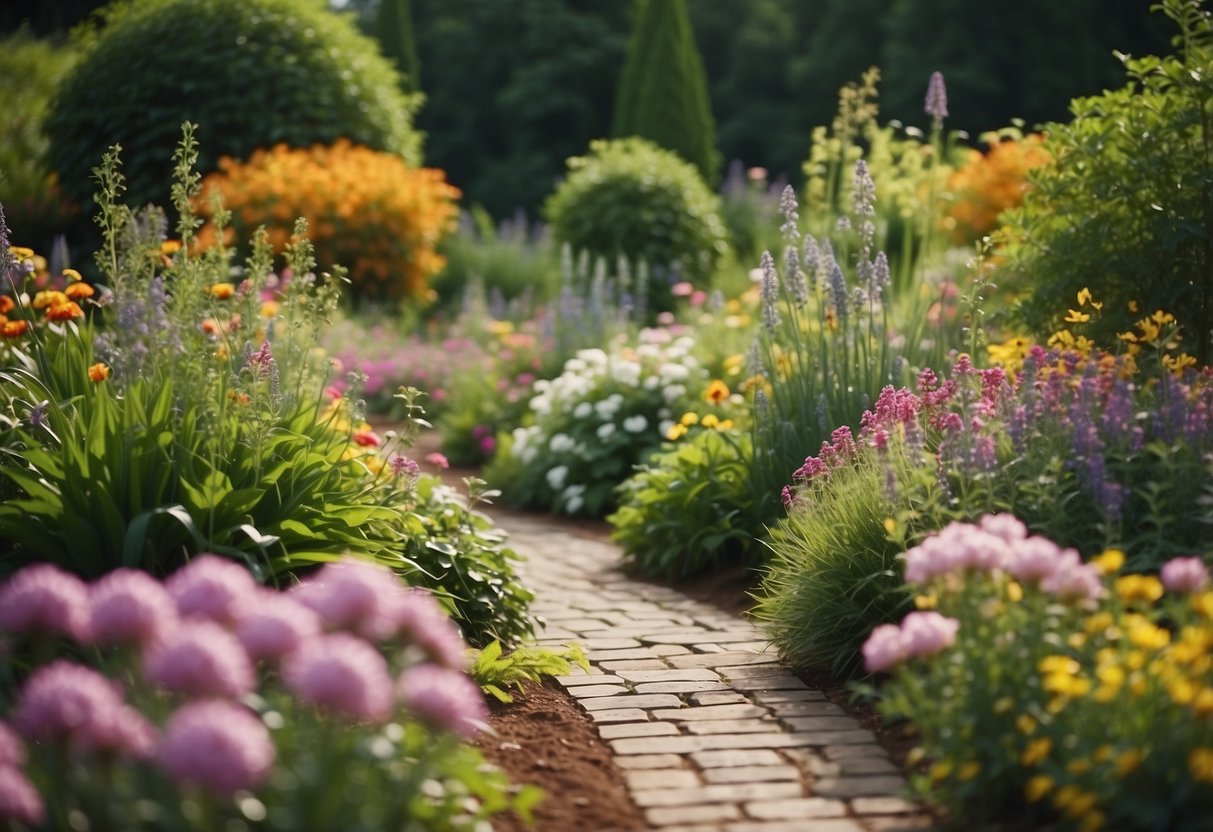
Caring for perennials on Long Island involves proper watering, mulching, deadheading, and occasional dividing to ensure healthy growth and vibrant blooms. Each aspect requires specific attention to address the region’s unique climate and soil conditions.
Watering and Moisture Management
Proper watering is key. Perennials need consistent moisture, especially during dry spells. You should water early in the morning to reduce evaporation. Aim to keep the soil moist but not waterlogged.
Newly planted perennials need more frequent watering until they establish roots. Use a soaker hose or drip irrigation to deliver water directly to the roots, reducing the risk of foliar diseases.
Monitor the soil moisture by checking it up to 1 inch deep. If it’s dry, water again.
Mulching and Weed Control
Applying mulch around perennials helps conserve moisture, suppress weeds, and regulate soil temperature. Use 2-3 inches of organic mulch, such as shredded bark or compost.
Spread the mulch evenly, leaving space around the plant stems to prevent rot. Mulch should be replenished annually as it breaks down.
By controlling weeds, you reduce competition for nutrients and water. Regularly inspect your beds and remove weeds promptly.
Deadheading and Pruning
Deadheading, or removing spent flowers, encourages more blooms and prevents self-seeding. Use clean, sharp shears to snip off faded flowers just above the first set of healthy leaves.
Pruning is also essential for maintaining plant shape and health. For perennials that become leggy or overgrown, cut back about one-third of the plants after the first bloom.
Regularly prune damaged or diseased stems to improve air circulation and reduce the risk of pests and diseases.
Dividing and Transplanting
Many perennials benefit from being divided every 3-4 years to rejuvenate growth and increase flower production. Dividing should ideally be done in early spring or early fall.
Carefully dig up the entire plant and use a sharp knife or spade to split the root ball into smaller sections, each with several shoots and roots.
Replant the divisions at the same depth as the original plants. Water well to help them settle in. Transplanting can also allow you to relocate perennials to better-suited locations in your garden.
Perennial Garden Design Ideas

Creating a stunning perennial garden on Long Island involves thoughtful design with color, texture, height, and habitat. These design elements can make your garden both beautiful and beneficial for local wildlife.
Incorporating Color and Texture
Using a mix of perennials can add vibrant colors and varied textures to your landscape. Choose plants like cranesbill geraniums, which bloom in shades of blue and purple. Add daylilies for a pop of yellow or orange.
Texture is also crucial. Mix fine-textured leaves of ferns with the broad leaves of hostas. Grasses like Karl Foerster feather reed grass can add a soft, wispy element.
Strategically place colors in groups to create visual interest and depth. Consider bloom times to ensure you have color throughout the seasons.
Layering for Height and Interest
Layering plants by height creates a dynamic and engaging garden. Start with taller plants like coneflowers or Joe-Pye weed at the back. In the middle, plant medium-height perennials such as bee balm or black-eyed Susans.
For the front, use shorter plants like creeping phlox or salvia. This layered approach provides a full, lush look and ensures each plant has space to grow and thrive. Use tall grasses for vertical interest and flowering shrubs for added variety.
Creating Habitats for Wildlife
Perennial gardens can be a haven for wildlife. Choose native plants that attract butterflies, birds, and other pollinators. Butterfly weed, for example, is great for butterflies.
Incorporate trees and shrubs for birds to nest and find shelter. Use a mix of flowering and non-flowering plants to provide food and habitat throughout the year.
Add features like birdbaths or small ponds to attract even more wildlife. This encourages a healthy ecosystem right in your backyard.
Using Perennials in Containers
Containers are a versatile way to use perennials in your garden. They are perfect for patios, decks, and small spaces. Choose hardy perennials like hostas, geraniums, and lavender that do well in pots.
Make sure to select containers with good drainage. Consider grouping different perennials in one container to create a mini garden with varied height, color, and texture.
Move the containers around to change the look of your space or to give plants better sunlight. Using containers can also make it easier to manage soil quality and watering needs.
Related Posts:
- Master Your Gourmet Garden: An Extensive List of Edible Flowers for Epicurean Adventures
- Unlocking the Mystery: Understanding Partial and Full Sun/Shade
- How to Make Your Garden Thrive in the Summer Heat: Tips and Tricks for a Lush and Healthy Garden
Attracting Pollinators and Beneficial Wildlife
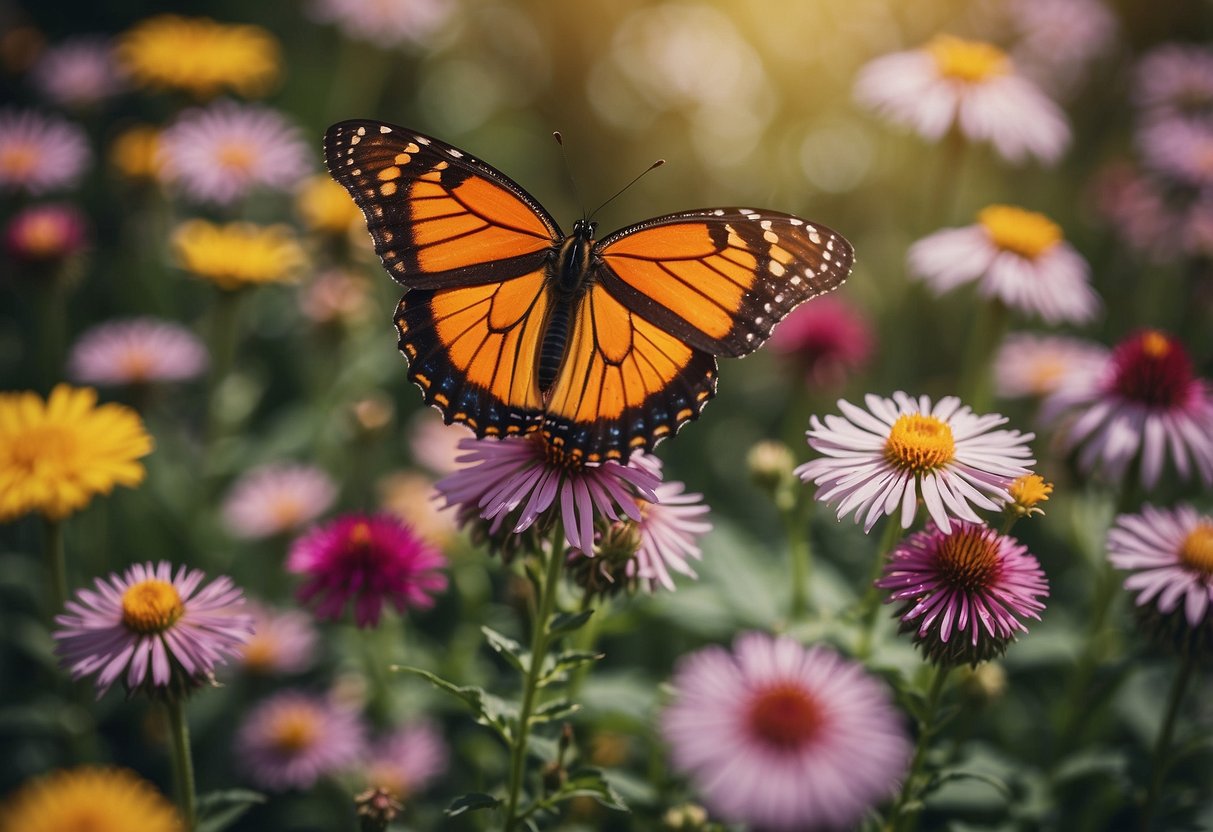
To attract pollinators like butterflies and bees, and to support local wildlife and ecosystems, choosing the right perennials is essential. Here are some top plant choices for Long Island gardens.
Plants for Butterflies and Bees
Creating a garden that attracts butterflies and bees is key to fostering a thriving ecosystem. Plants like Lavender, which thrives in zones 4-9 and bears bright violet-purple flowers, are excellent for these pollinators. Bees and butterflies are particularly drawn to lavender for its color and nectar.
Salvia also attracts pollinators due to its vivid colors and abundant nectar. Both bees and butterflies enjoy Verbena, a perennial that can make your garden a buzzing hub of activity. For more information on beneficial plants for bees, you can visit this list of perennials.
Bird-Friendly Perennial Choices
Birds are vital to a balanced garden ecosystem, and certain perennials can help attract them to your yard. Coneflowers (Echinacea) are excellent as they produce seeds that birds love. They are also easy to grow in well-draining soil and full sunlight, making them suitable for Long Island’s climate.
Black-eyed Susan is another bird-friendly option. It blooms from summer to fall, providing food for birds during these seasons. Aster is perfect for attracting late-season visitors like migrating birds. Birds help control pests in your garden and contribute to the overall biodiversity.
Supporting Local Ecosystems
Supporting local ecosystems involves planting native species that cater to the needs of local wildlife. Milkweed is crucial for monarch butterflies and can thrive in Long Island’s environment. It not only provides nectar but also serves as a host plant for monarch caterpillars.
Goldenrod is another native perennial that supports a variety of insects, which in turn attract birds. By planting Joe-Pye Weed, you can offer nectar to bees and butterflies while also supporting the local ecosystem. These plants help maintain the natural balance and ensure that wildlife can thrive.
By choosing the right perennials, you help sustain the local wildlife and pollinator populations, ensuring a vibrant and healthy garden.
Perennials for Specific Uses
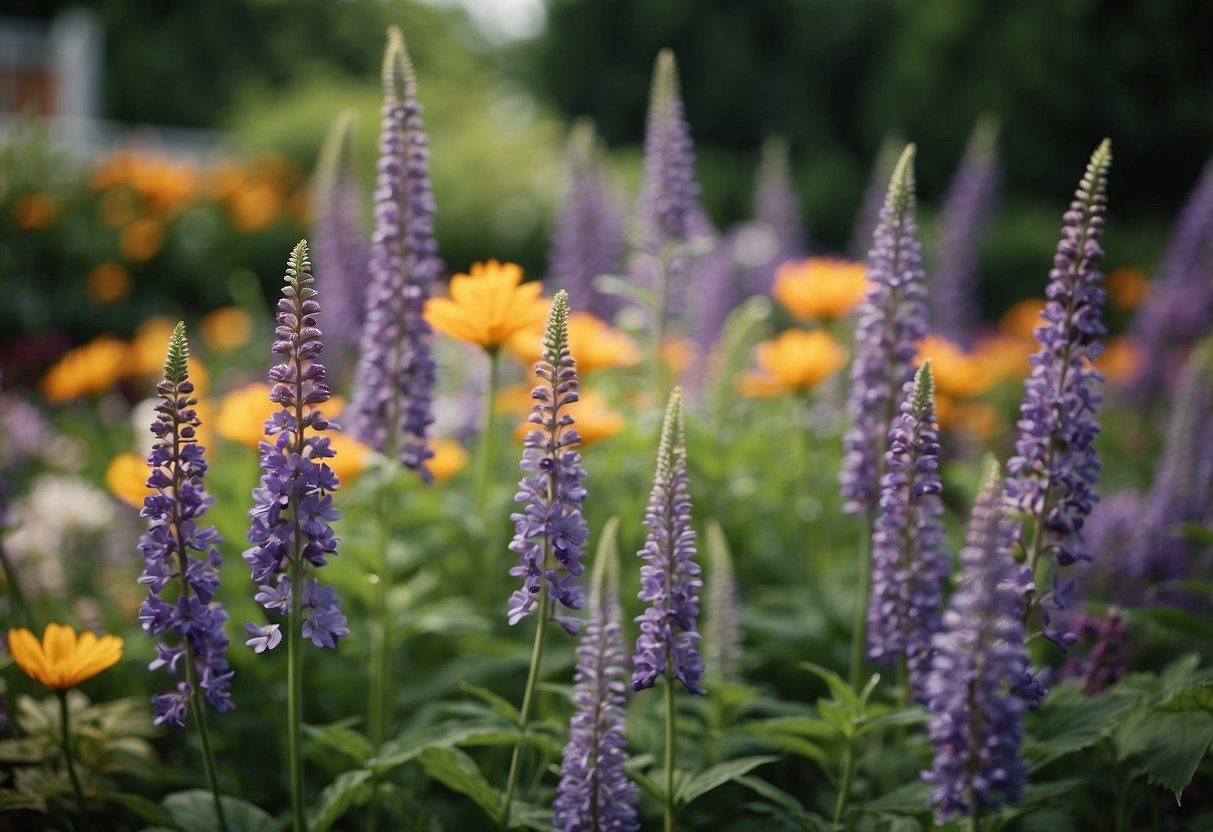
Perennials on Long Island offer a variety of benefits, thriving in the local climate and soil conditions. Here, you will find excellent choices for ground covers, cutting and arrangements, and drought-tolerant varieties.
Ground Covers and Edging Plants
Ground covers and edging plants can help prevent soil erosion and create tidy borders in your garden. For this purpose, hosta stands out. Its large leaves provide an effective cover that blocks weeds and helps retain moisture in the soil. Another great choice is creeping thyme, which produces beautiful flowers and has a pleasant scent. Yarrow is another sturdy option, known for its feathery foliage and ability to thrive in different soil types. These plants are low-maintenance and offer both aesthetic and practical benefits to your garden.
Perennials for Cutting and Arrangements
If you love fresh flowers in your home, consider planting perennials that are excellent for cutting and arrangements. Shasta daisies are a popular choice with their large white blooms and long stems, making them easy to arrange. Daylilies provide beautiful, colorful flowers that flourish from late spring to early autumn. Another outstanding option is the clematis vine, known for its vibrant flowers and extended blooming period. These plants not only enhance your garden’s beauty but also provide you with an ample supply of fresh flowers for your home.
Drought-Tolerant Varieties
Drought-tolerant perennials are essential for those times when water is scarce. These plants are adapted to survive in dry conditions, making them ideal for Long Island’s varying weather patterns. Yarrow is an excellent drought-tolerant choice due to its deep root system and ability to thrive in poor soil. Sedum, also known as stonecrop, is a succulent that requires minimal watering and care. Lavender is another robust option, famous for its fragrant flowers and gray-green foliage. These drought-tolerant plants not only survive in dry conditions but also contribute to a beautiful and sustainable garden.
Frequently Asked Questions
Here are answers to some commonly asked questions about choosing and growing perennials on Long Island.
What are the top-performing perennials for gardens in full sun on Long Island?
Long Island’s sunny gardens benefit from plants like spike speedwell which has summer-long color with tall spikes of small star-shaped flowers in purple, blue, pink, or white. These plants grow best in average, well-drained soil. Toad lilies and Korean tassel ferns are also great options.
Which perennials thrive best in containers in Long Island’s climate?
Perennials such as begonias, geraniums, impatiens, and petunias do well in containers. These plants can offer long-lasting blooms and handle the varied weather conditions on Long Island.
Can you provide a list of native plants that perform well on Long Island?
Some native plants include the lady fern, evergreen wood fern, and purple coneflower. These plants are adaptable to the local soil and climate conditions, making them ideal for gardens on Long Island. For more ideas, you can visit this guide to Long Island native plants.
What shrubs are most suited to the weather conditions of Long Island?
For shrubs, consider those that are drought-tolerant and can handle the region’s climate. Some good options are Coastal Virginia willow and American holly. They can withstand Long Island’s weather variations effectively.
What trees are recommended for landscaping in Long Island environments?
Popular landscaping trees include the Eastern Redbud and the White Oak. These trees are hardy and well-suited to local soil and climate conditions, providing both beauty and resilience.
Which perennials bloom throughout the entire summer in Long Island?
Perennials like spike speedwell offer blooms all summer long. With proper care and a sunny spot, you can enjoy vibrant colors from these plants for many months. For more tips on perennials that thrive in the area, visit this page.