
*I get commissions for purchases made through affiliate links in this post at no extra cost to you. I do not promote anything I haven’t validated or personally used myself.
The Mother of Millions is an exciting addition to any indoor garden. This succulent, also known as Kalanchoe delagoensis, is known for its unique ability to produce tiny plantlets along the edges of its leaves. To care for your Mother of Millions, ensure it gets plenty of bright, indirect sunlight and well-draining soil.

Mother of Millions plant care is simple, making it a favorite among houseplant enthusiasts. This unique succulent thrives in a range of indoor environments and requires only minimal attention. Water sparingly, always allowing the soil to dry out completely to avoid root rot. Its low-maintenance nature makes it perfect for beginners or anyone with a busy lifestyle.
If you want your Mother of Millions to flourish, be mindful of pests and diseases. Regularly check your plant for any signs of trouble, and treat issues promptly. With the right care, your Kalanchoe will not only survive but thrive, adding a striking, exotic touch to your home. For more expert tips, you can visit this guide on Mother of Millions care.
Understanding Mother of Millions
The Mother of Millions plant is a unique and fascinating succulent with various common names and specific growing needs. It thrives best in bright light and well-draining soil.
Botanical Profile
The Mother of Millions plant is scientifically known as Kalanchoe daigremontiana or Kalanchoe delagoensis. These succulents have thick, green, and spotted leaves with small plantlets growing along the edges. These plantlets can easily fall off and root, making it a prolific grower. Typically, the plant produces pink-orange bell-shaped flowers, adding a beautiful touch to indoor gardens. The plant can mature to heights between 3 to 6 feet in optimal conditions.
Common Names
You might also hear the Mother of Millions referred to as the Alligator Plant, Mexican Hat Plant, Chandelier Plant, or Devil’s Backbone. Each of these names highlights a different feature of the plant. For instance, the term Alligator Plant refers to its textured leaves that resemble an alligator’s skin. The Mexican Hat Plant name comes from the shape of the plantlets that resemble small sombreros. These names help you identify the plant, ensuring it’s recognized despite regional variations in naming.
Native Habitat
The Mother of Millions originates from Madagascar. In its native habitat, it thrives in arid conditions with plenty of sunlight. The region’s typical climate is warm and dry, which suits the plant’s need for minimal water. When growing this plant indoors, replicating similar conditions with a sunny windowsill and well-drained soil will help maintain its health. During cooler months or in less sunny environments, using a grow light can provide the necessary light levels for the plant to thrive.
Understanding the Mother of Millions plant’s origins and care requirements helps you cultivate a robust and beautiful addition to your indoor garden.
Related Posts:
- Most Expensive Succulents: Rare and Valuable Plants for Collectors
- How to Grow Carrots in Arizona: Effective Tips for Hot Climates
Optimal Growing Conditions
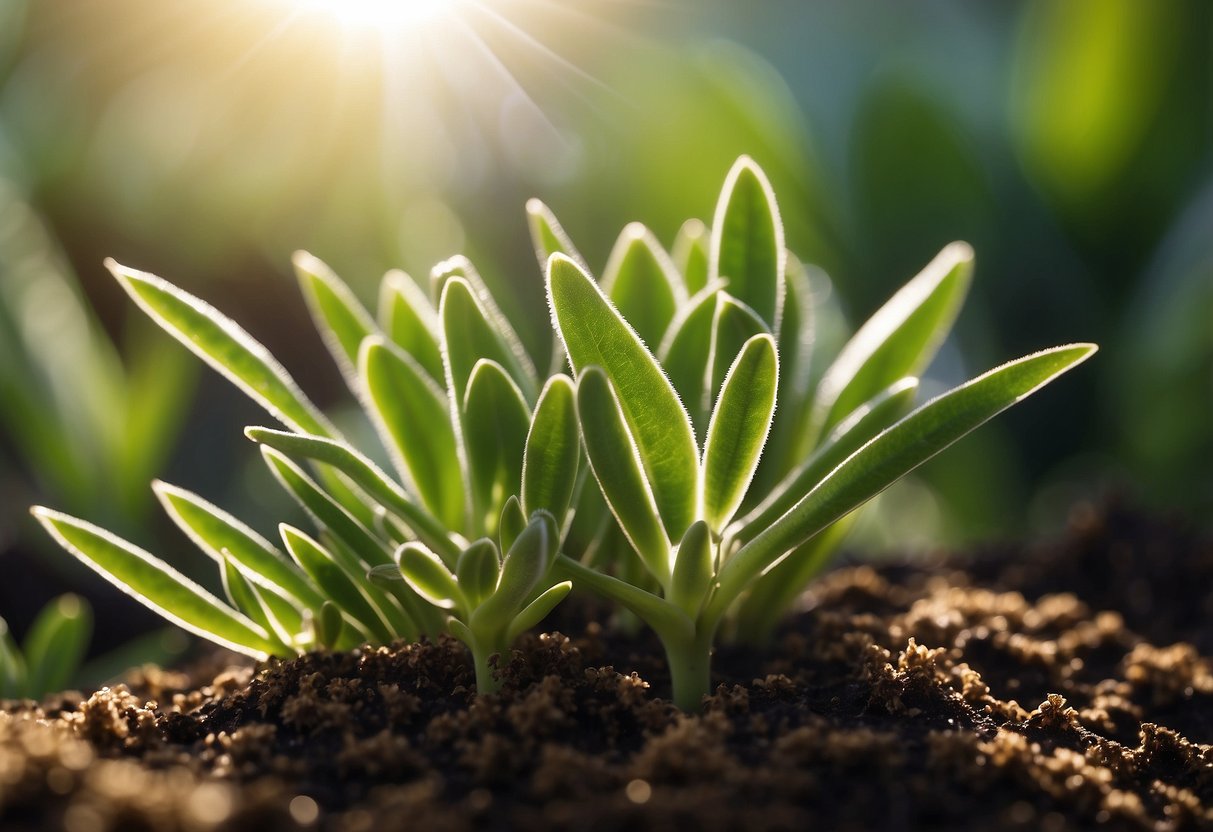
To ensure your Mother of Millions plant thrives, focus on providing the right amount of light, proper soil and drainage, appropriate watering, and suitable temperature and humidity levels.
Light Requirements
Your Mother of Millions plant needs bright light to grow well. Place it in a spot where it can receive direct sunlight, such as a sunny windowsill. If direct sunlight is too intense, bright indirect light will also suffice. Using a grow light can be helpful if natural light is limited. Ensuring enough light helps maintain the plant’s vibrant color and encourages healthy growth.
Soil and Drainage
Use well-draining soil, preferably a mix designed for succulent plants. A combination of sandy soil and regular potting mix works well. Adding perlite or coarse sand can improve drainage further. Ensure the pot has a drainage hole to prevent waterlogging, which can lead to root rot. This setup mimics the natural arid conditions these plants thrive in.
Watering Practices
Water your Mother of Millions plant only when the soil is completely dry. Overwatering is a common issue, so it’s essential to let the soil dry out between waterings. When you water, do so deeply, allowing water to penetrate the soil. A soil moisture meter can help gauge the right time to water. Proper watering keeps the plant healthy and prevents root rot.
Temperature and Humidity
Maintain a temperature range between 65°F and 75°F (18°C – 24°C) for optimal growth. This succulent prefers average room temperature. Keep humidity levels low to moderate, as high humidity can cause problems. Avoid placing the plant in areas prone to drafts or sudden temperature changes. Stable, warm conditions help your Mother of Millions plant flourish indoors.
Planting and Propagation
Growing the Mother of Millions plant involves properly potting it and using reliable propagation techniques.
Potting
To start, choose a pot with drainage holes to prevent waterlogging. Use well-draining soil suitable for succulents, as Mother of Millions thrives in conditions where roots can breathe. A mix of cactus soil and perlite often works well.
Place the plant in a sunny spot, either on a sunny windowsill or under a grow light for optimal light exposure. The temperature should range between 60°F and 95°F. Avoid letting temperatures drop below 50°F as this can harm the plant.
When potting, make sure the roots are gently placed into the soil and covered. Water the plant sparingly, allowing the soil to dry completely before watering again to prevent root rot.
Propagation Techniques
Mother of Millions spreads through asexual reproduction. Small plantlets form along the leaf margins, which can be used for propagation. These plantlets eventually drop off the leaves and root themselves in the soil. Collect these tiny plantlets and place them on the surface of prepared succulent soil to grow new plants.
You can also propagate using stem cuttings. Cut a healthy stem and let it dry for a few days to callous over. Then, plant the cut end into well-draining soil and water it sparingly until roots develop.
Both methods are simple and effective, ensuring you can easily increase your collection of these fascinating succulents.
Care and Maintenance
Mother of millions plants thrive with proper feeding, regular pruning, and timely repotting. To ensure their health, follow a structured schedule and observe their growth closely.
Feeding Schedule
Mother of millions benefits from a balanced fertilizer. Use a diluted liquid fertilizer every 4-6 weeks during the growing season, which is typically spring through early fall. Avoid over-fertilizing, as this can lead to leggy growth and weak plants.
In winter, cut back on feeding since the plant’s growth slows. Too much fertilizer during this period can harm the plant. Make sure the soil is well-draining to prevent problems with root rot, which can be worsened by overwatering.
Pruning and Managing Growth
Regular pruning is essential for managing the size and shape of your mother of millions plant. Prune back any leggy growth to encourage a more compact form. Remove dead or yellowing foliage to improve the plant’s appearance and health.
If your plant begins to spread too much, you can remove some of the baby plantlets that form on the edges of the leaves. Keeping growth in check prevents the plant from becoming invasive. Always use clean, sharp scissors or pruning shears to avoid disease.
Repotting
Repot mother of millions every 2-3 years or when you notice the plant has outgrown its current pot. Choose a container that is only slightly larger than the previous one to avoid overwatering issues.
Use a well-draining potting mix, ideally designed for succulents. After repotting, water the plant lightly and allow it to adjust to its new pot before resuming regular watering and feeding. Spring is the best time to repot, as the plant is in its active growth phase. Adjust the care routine if you notice signs of stress, such as drooping foliage or stunted growth.
Challenges in Care
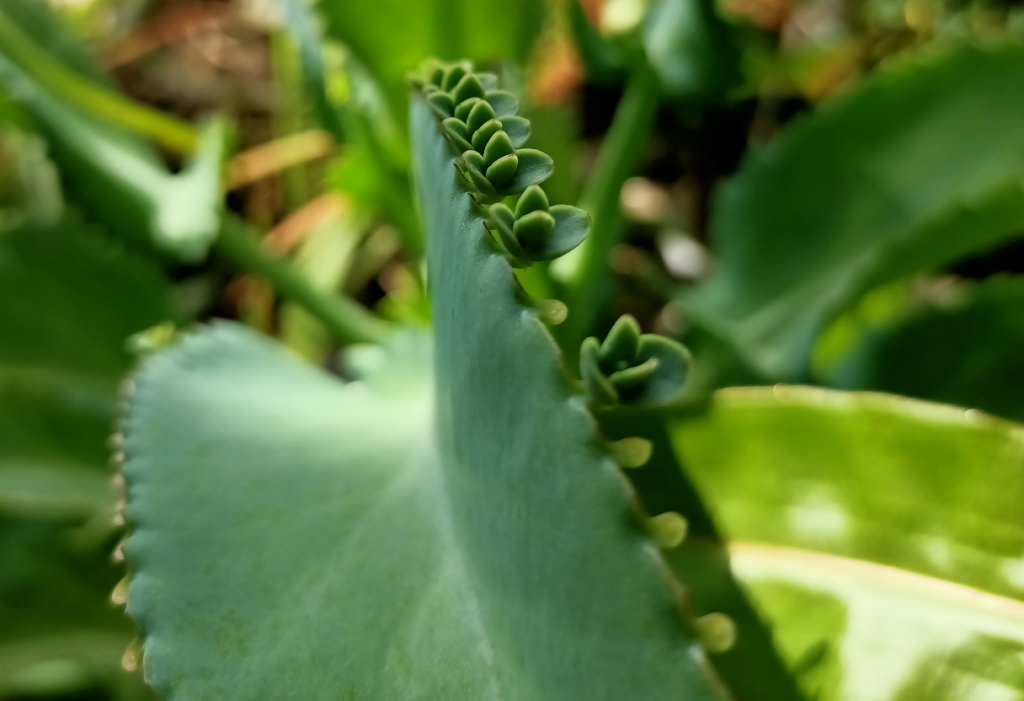
Caring for the Mother of Millions plant can present several challenges. The most significant issues often revolve around managing pests and diseases and preventing common problems like overwatering and rot.
Dealing with Pests and Diseases
Mother of Millions can be plagued by pests like mealybugs, aphids, and scale insects. These pests sap the plant’s nutrients, causing it to weaken.
- Mealybugs: Look for a white, cotton-like substance on the plant. These bugs can be washed off with warm, soapy water or treated with insecticidal soap.
- Aphids: Often found on the new growth, these tiny insects can be managed with neem oil or insecticidal soap.
- Scale: These small, brown pests attach themselves to the stems and leaves, and can be removed manually or by using a horticultural oil spray.
Diseases are less common but can include fungal infections, especially if the plant is overwatered. Ensure good air circulation and avoid water splashing on the leaves to help prevent these issues.
Preventing Common Problems
Overwatering is a frequent problem that can lead to root rot. Make sure to plant in well-draining soil and allow the soil to dry out between waterings.
Be mindful of wilting, which can be a sign of both underwatering and overwatering. Check the moisture level of the soil to diagnose the issue.
Mother of Millions can also be invasive if planted outdoors. They produce many small plantlets that can quickly spread. Regularly pruning the plant and keeping it contained in a pot can help manage this issue.
Use natural light but avoid direct, harsh sunlight that could scorch the leaves. Ensure the plant is kept in a warm environment to promote healthy growth.
Seasonal Care Tips
Taking care of the Mother of Millions plant requires different strategies depending on the season. Ensuring the plant receives the right amount of light, water, and temperature adjustments can help it thrive year-round.
Overwintering Strategies
Overwintering is crucial for keeping your Mother of Millions healthy during colder months, especially if you live in Zones 9-11. Place the plant indoors near a sunny window or use a grow light to provide adequate light. Maintaining temperatures between 65-75°F (18-24°C) is ideal.
Reduce watering frequency during winter. The soil should be allowed to dry completely between watering sessions. Using well-draining soil can prevent root rot, which is more common in colder months.
Consider using a humidity tray if indoor heating systems dry out the air. This will help maintain appropriate moisture levels around the plant, preventing leaf drop.
Adjustments for Growth Seasons
During the growing seasons, like spring and summer, the Mother of Millions requires more light and water. Ensure it gets 4-6 hours of direct sunlight daily. If natural sunlight is insufficient, especially in the Artic regions, consider supplemental lighting.
Increase watering frequency as the plant’s growth speed picks up. The soil should always be allowed to dry out between waterings to avoid overwatering. Fertilizing once a month can also support its growth during this period.
Keep an eye on the height of the plant. As it grows taller, you might need to re-pot it into a larger container to accommodate its expanding root system. Regular pruning can also help manage its size and encourage fuller growth.
Troubleshooting
When caring for a mother of millions plant, it’s important to address toxicity risks and manage invasive growth effectively.
Toxicity Concerns
The mother of millions plant contains compounds that are toxic to pets and humans if ingested. This plant has compounds called bufadienolides, which can be harmful if eaten. Cats and dogs are especially at risk, so it’s crucial to keep the plant out of their reach. Symptoms of poisoning may include drooling, vomiting, and abnormal heart rhythms.
Children can also be at risk if they accidentally ingest parts of the plant. If you suspect poisoning, contact a medical professional immediately. Always wash your hands after handling the plant to avoid accidental ingestion. Keeping the plant in areas that are less accessible to pets and children can help mitigate these risks.
Invasive Growth Control
Mother of millions can become an invasive plant if not properly managed. It reproduces through small plantlets that can easily drop and take root in new locations. These plantlets can crowd out other plants and disrupt native ecosystems. To control its spread, regularly inspect the area around the plant and remove any fallen plantlets.
When planting outdoors, consider placing a barrier around the plant to limit its spread. Removing any flower stalks before they set seed can also help control its growth. For indoor plants, use well-draining soil and pots with proper drainage to discourage overgrowth. Regularly trimming the plant can also keep its size manageable.
Related Posts:
- Low Maintenance Plants for Florida: Heat-Tolerant Species That Thrive in High Humidity and Sandy Soil
- Do Beans Need a Trellis: Essential Growing Tips
Decorative Uses
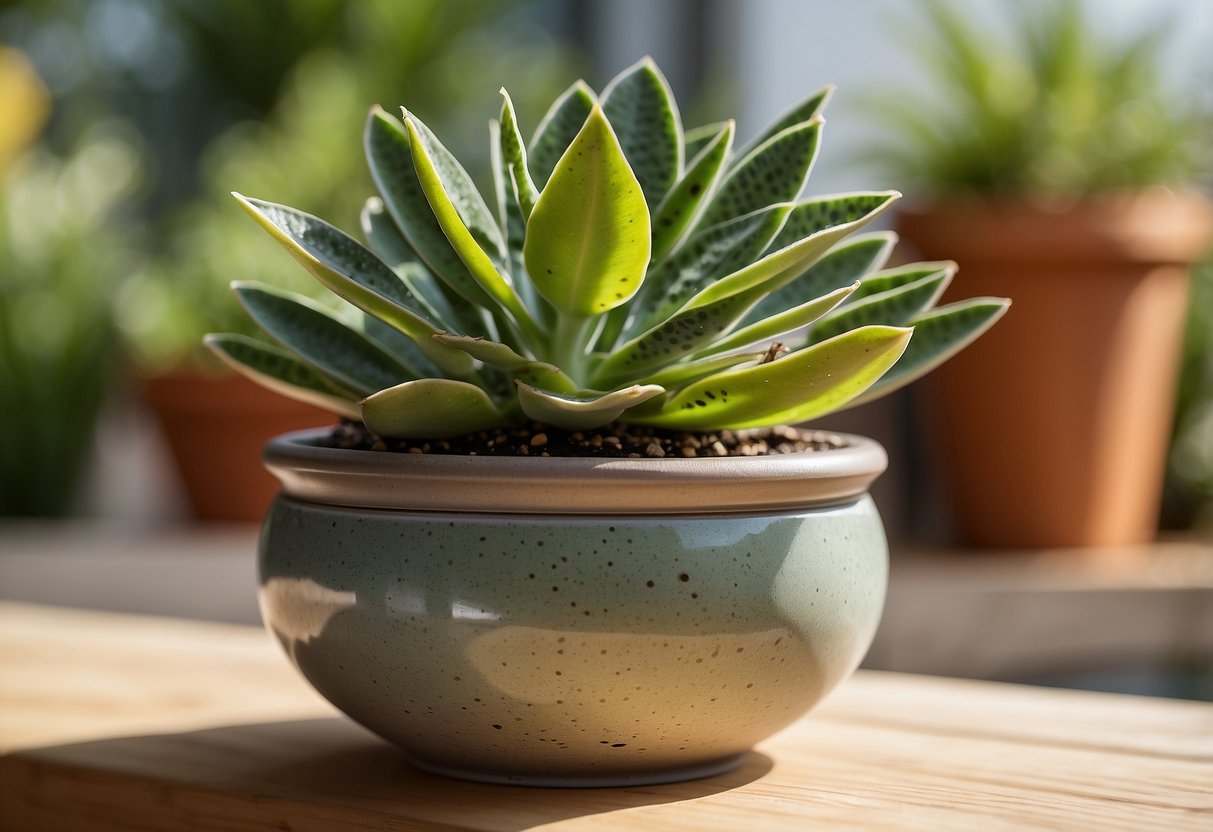
Mother of Millions is ideal for adding color and texture to your home. Its striking leaves and flowers make it perfect for various container styles and combinations with other plants.
Containers and Displays
Displaying Mother of Millions in a terracotta or clay pot can enhance its natural beauty. These pots offer a rustic look that complements the plant’s fleshy leaves and vibrant pink-orange flowers. Additionally, a bright spot near a window ensures the foliage maintains its lush appearance.
Place a saucer under the pot to catch excess water. Use containers of different sizes and shapes to create an eye-catching display. For example, grouping smaller pots together on a shelf or using a single large pot as a centerpiece adds visual interest.
Consider hanging baskets or wall-mounted planters to maximize space. Mother of Millions can thrive in these settings, trailing gracefully as it blooms.
Complementary Plants
Pairing Mother of Millions with other succulent varieties can create a visually appealing arrangement. Plants like echeveria or jade share similar care needs and make good companions.
Use contrasting foliage textures and colors for a balanced display. For instance, place dark green jade plants next to the lighter-toned leaves of Mother of Millions.
Incorporate flowering plants like African violets to highlight its blooms. The additional flowers add a burst of color and make the arrangement more dynamic.
Remember, the key is to choose plants with similar water and light requirements. This ensures all your plants stay healthy and look their best.
Frequently Asked Questions
Caring for a Mother of Millions plant varies depending on whether it is grown indoors or outdoors. Proper watering, sunlight exposure, and recognizing signs of distress are crucial to maintaining a healthy plant.
How to care for a Mother of Millions plant outdoors?
To care for a Mother of Millions plant outdoors, ensure it gets plenty of direct sunlight, ideally in a spot where it can receive at least 4-6 hours daily. Use well-draining, sandy soil to prevent waterlogging.
What are the care instructions for a Mother of Millions plant indoors?
Indoors, place the plant in a sunny window where it can get bright, indirect light for 4-6 hours daily. Use a well-draining potting mix, preferably sandy. Maintain the room temperature between 60°F and 75°F.
What should I do if my Mother of Millions plant’s leaves are turning yellow?
If the leaves are turning yellow, it may be due to overwatering or poor drainage. Check the soil to ensure it isn’t waterlogged. Reduce watering and let the soil dry out a bit. Make sure the pot has drainage holes.
How often should I water my Mother of Millions plant?
Water your Mother of Millions plant once the top 1-2 inches of soil are dry. This usually means watering every 1-2 weeks. Avoid overwatering, as it can lead to root rot.
What are the benefits of having a Mother of Millions plant?
The Mother of Millions plant is easy to care for and grows quickly, making it a great plant for beginners. It also has unique leaves that create new plantlets, providing continuous growth and a decorative appearance.
What are the signs of wilting in a Mother of Millions plant and how to address it?
Wilting can be a sign of underwatering or root problems. Check the soil moisture and water the plant if it’s dry. Ensure the soil is well-draining and that the plant is not in overly wet conditions.